
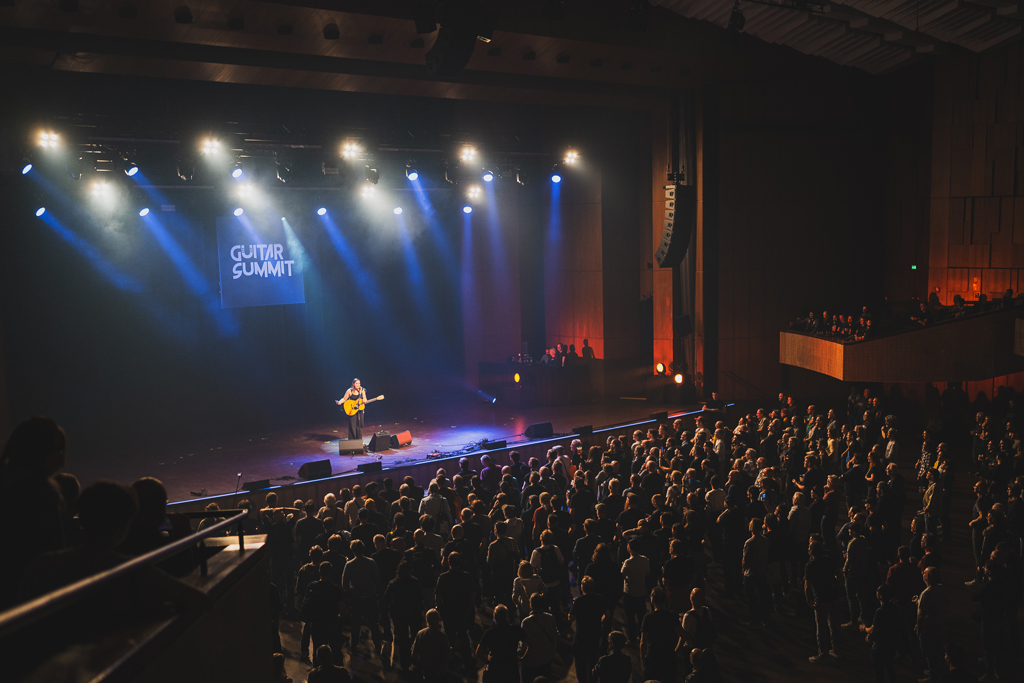
Doors open, strings tuned – Guitar Summit 2026 has begun! Already on Friday morning, the corridors in Mannheim’s Rosengarten filled noticeably faster than usual thanks to the additional wristband distribution before admission. Guitar fanatics from all over the world, with picks in their pockets, hands that don’t even know which instrument to touch first. Everywhere people were talking gear, trying things out and marveling. Here and there, reunions were celebrated that people had been waiting for all year.
On the stages, things got going from the very first moment too: in the workshops, people learn, laugh and marvel, and the artists share things you won’t hear again anytime soon. For the eighth time, the Summit opens its doors, and it doesn’t feel routine in the slightest. Thanks to everyone who was there right from the start – you make these three days what they are.
And because more happens here in a single day than you can take in on your own, we’re taking you along: to the highlights from the exhibition, workshops and concerts.
Tap on a day to expand or collapse the report.
25Friday, September 25Day 1 with 25 photos
Workshops & Masterclasses
At 12:30 p.m., the starting signal was given, and from then on six stages ran in parallel with playing, explaining and learning – until the last workshops seamlessly transitioned into the concerts in the Mozart Hall in the early evening.
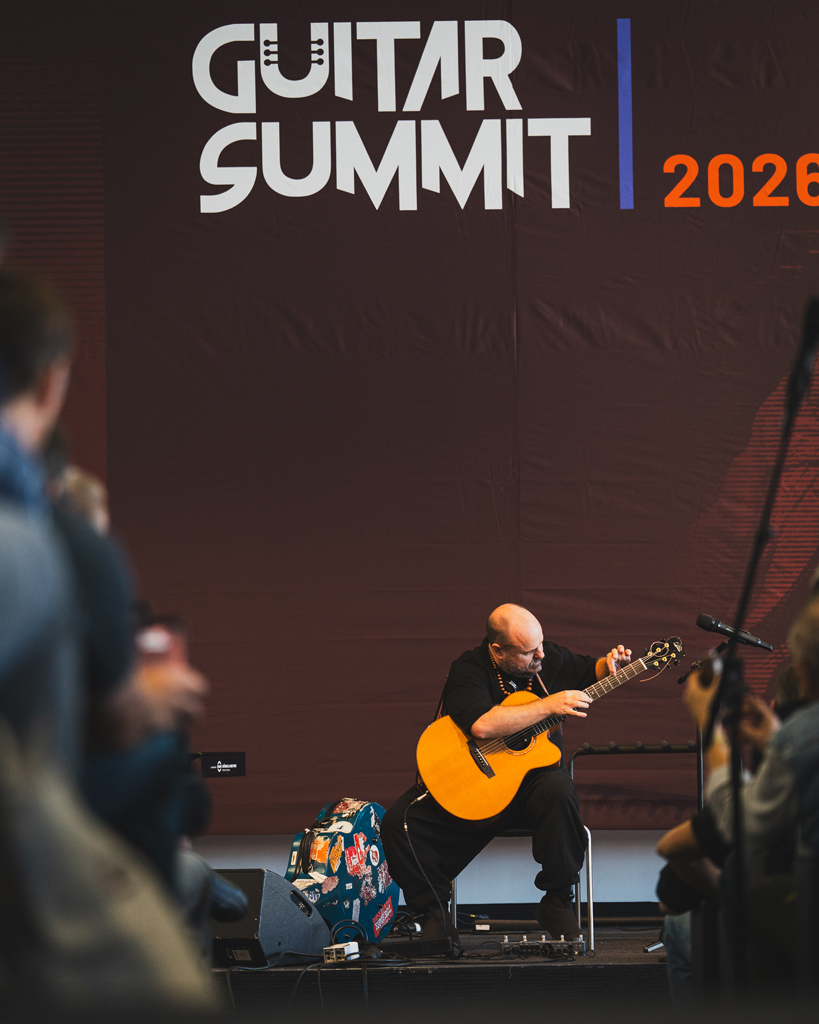
Andy McKee is one of the fingerstyle guitarists who opened up the genre for an entire generation. Many know his percussive tapping arrangements from recordings. Here, you could see how they actually come into being: note by note.
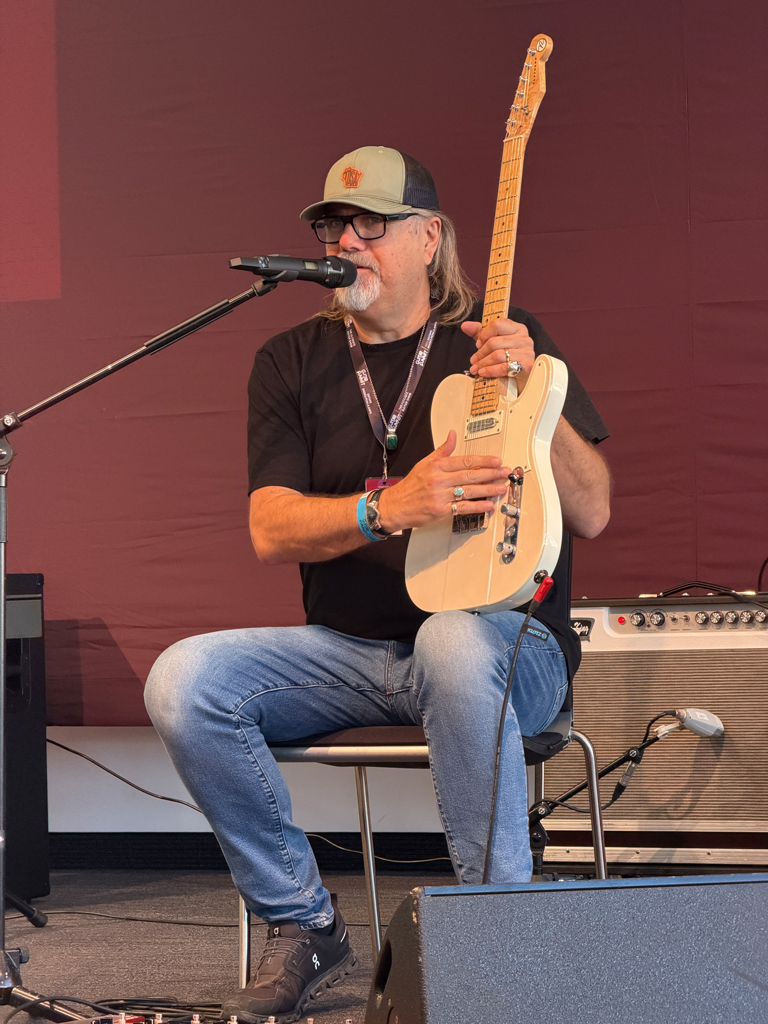
Recently, Greg Koch treated himself to a ’59 Tele – “because I'm so good at crime … no, I sold a lot of guitars.” In everyday life, though, he still plays his Reverends with Fishman pickups: no fuss, no hum. He ended up at Reverend because the founder’s parties were so good – but he was only allowed to play their guitars there. At first he didn’t even want his own pickups, but “my wife said we could use more money”. At Fishman in Boston, he was then able to tweak the sound live on a demo guitar – in the end, he liked the result better than his original idea.
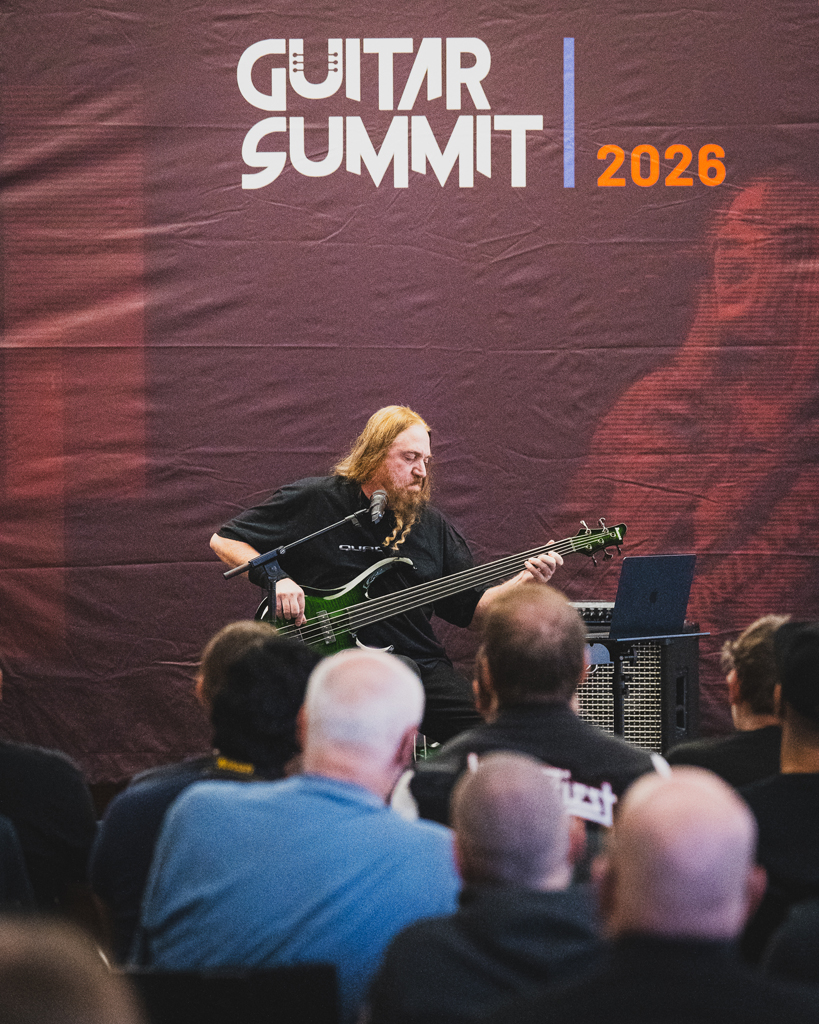
Steve Di Giorgio showed in Mastering Metal Bass why his fretless bass became a trademark in death metal. With Death, Testament and Sadus, he has shaped a style of playing that combines technical precision with thinking in vocal lines.
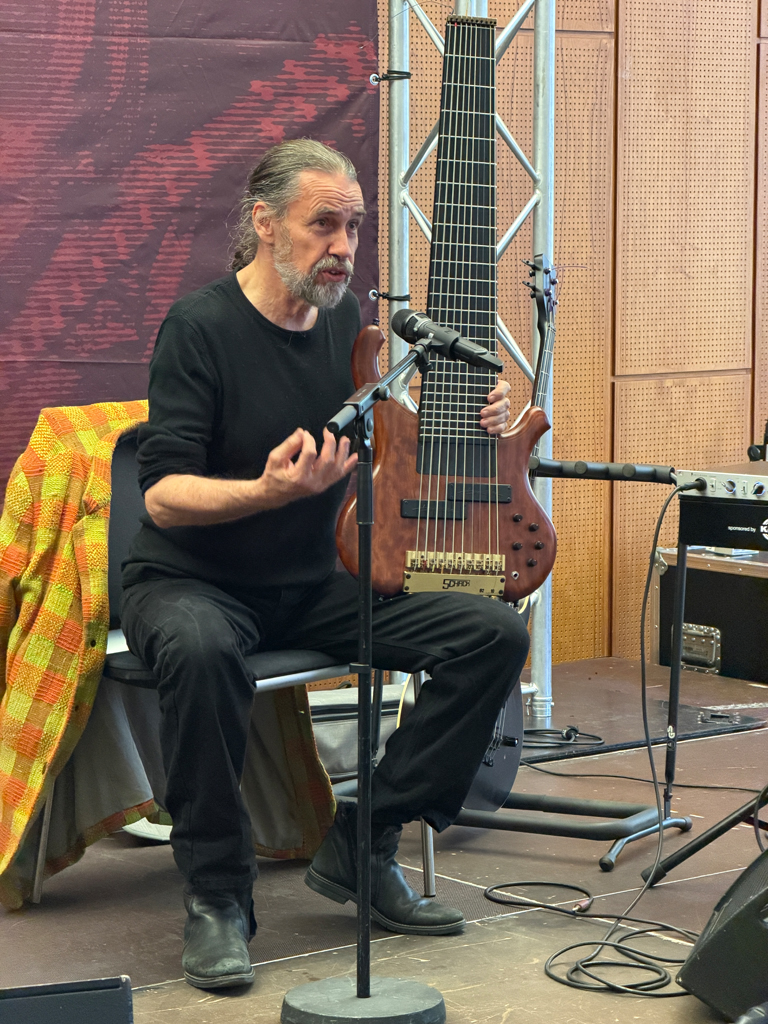
How much a string matters was shown by Jonas Hellborg with Dogal CEO Andrea Lavelli. For his new strings, the Swede even asked Steinway how piano strings are made there. The lesson from Dogal’s violin strings: attack and elasticity must be in balance – suited to the instrument and the player, their strength and hand size. Hellborg himself prefers low tension. On the ten-string, it became audible: played softly, the strings sounded almost the same; only with dynamics did the differences emerge.
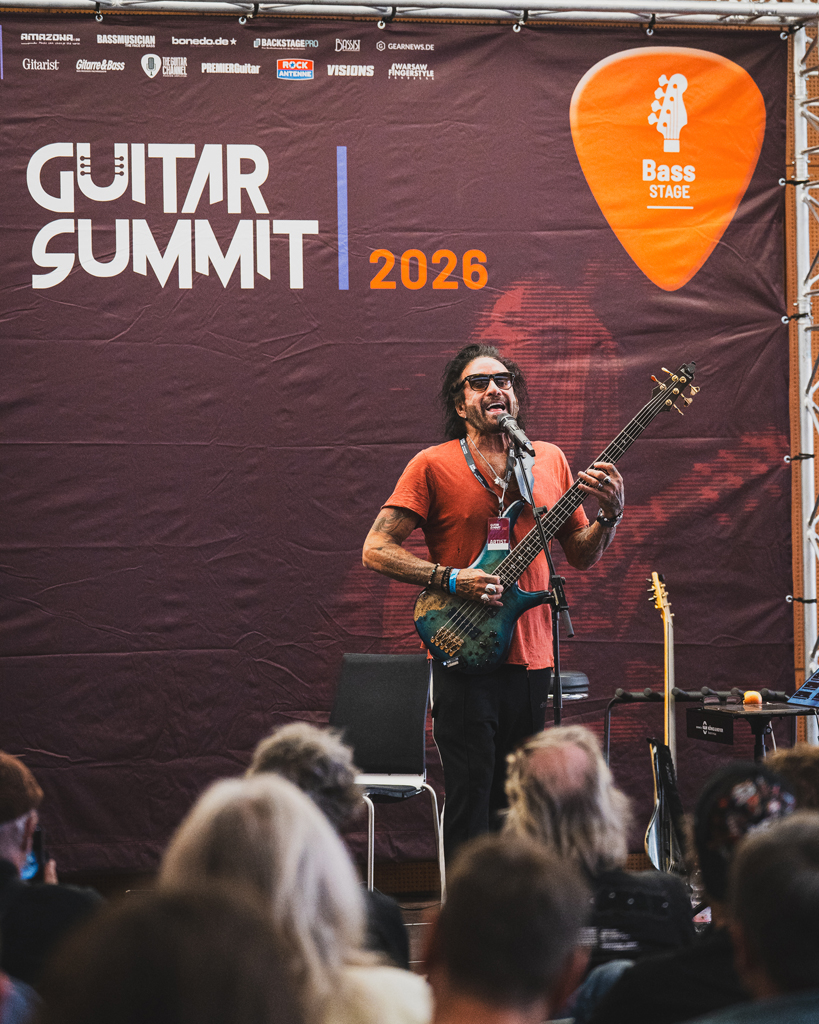
Marco Mendoza is one of the busiest rock bassists around: Thin Lizzy, Whitesnake, The Dead Daisies, plus his own solo career. His workshop set accordingly grooved. He also had plenty of quirky stories in his luggage.
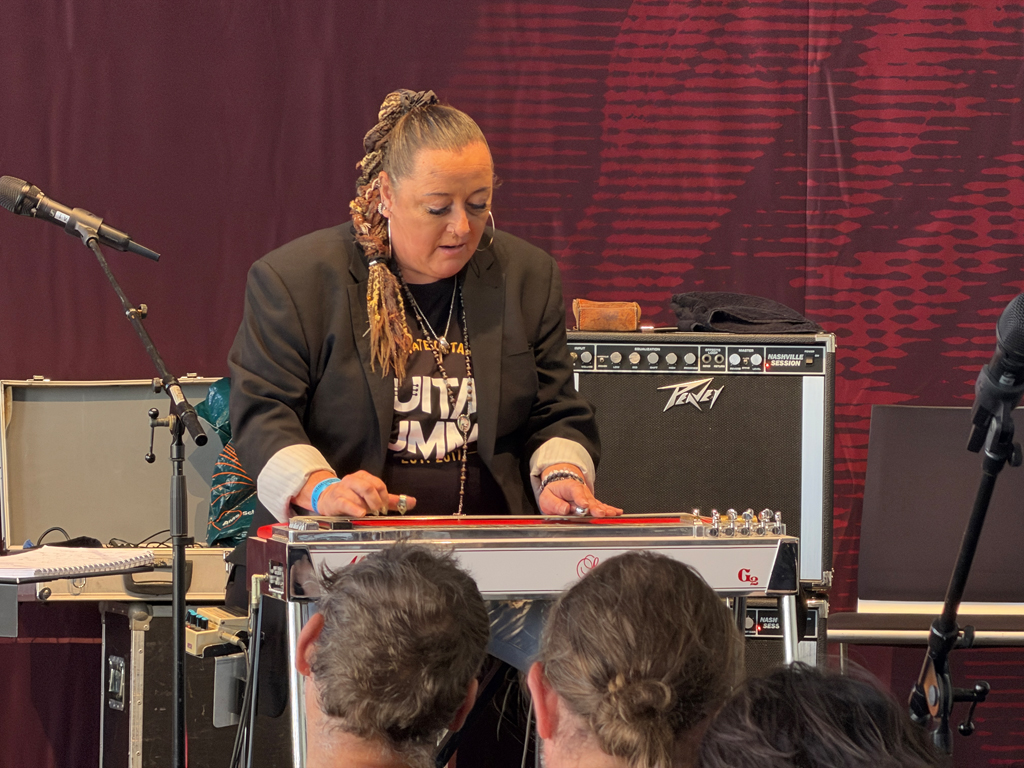
On Electric Stage 1, Sarah Jory showed why she is one of Europe’s most distinguished pedal steel and slide players. The Brit started at nine – when country was anything but cool. She still doesn’t read music; every note comes straight from the heart. On her 10-string steel, “Gimme Some Lovin'” and “Mackie Messer” became country numbers, along with the instrument’s history and technique. Both hands, both feet in action – and still always a smile on her face.
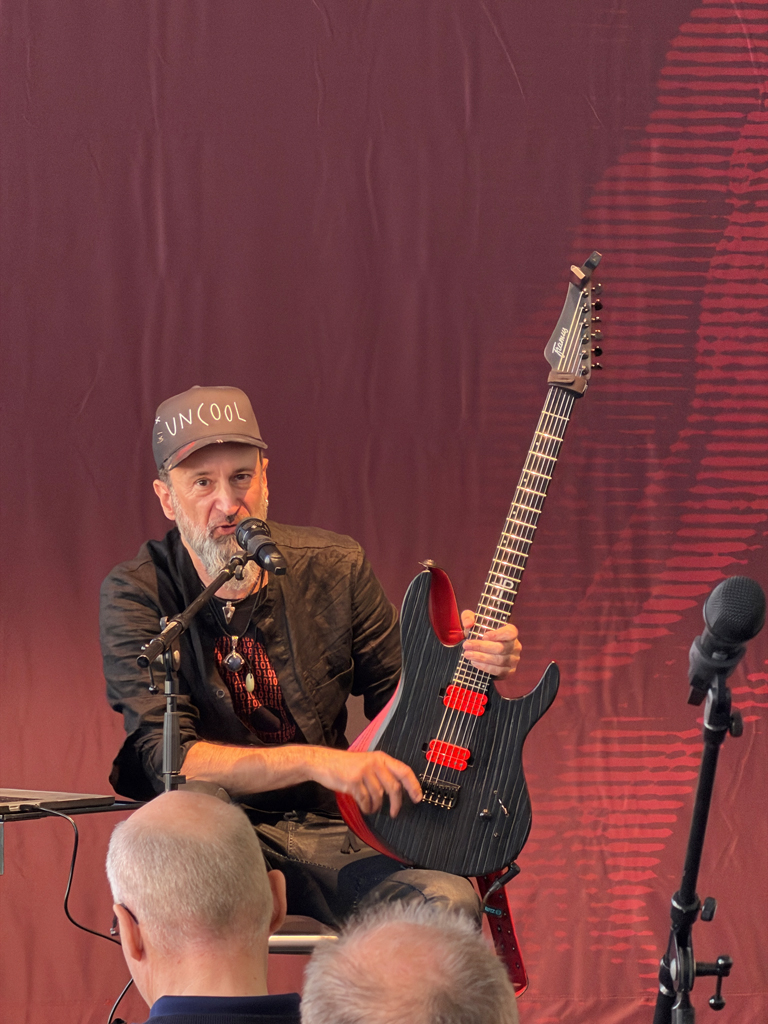
Instead of a technical lesson, Electric Stage 1 offered stories: Feuerschwanz guitarist Hans Platz presented his Framus Firecaster, which will soon come as a signature model – team-built, as an Asia version and in the Custom Shop even with LEDs in the neck. The heart of it is the bolt-in neck, a mix of bolt-on and neck-through. Tone control and vibrato? He doesn’t need them; instead, he uses Bare Knuckles and 10–52 strings. “I like it thick down low.” Pragmatism with fire.
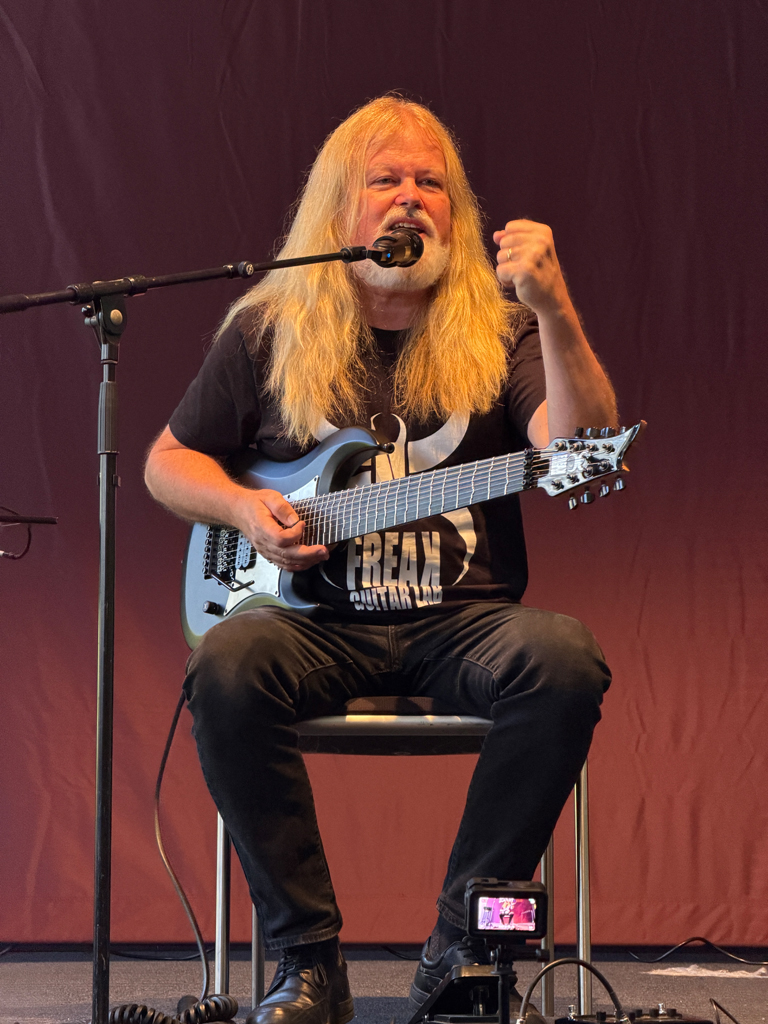
It was so crowded at Mattias “IA” Eklundh that he invited people to sit on his lap. He called the guitar great – and at the same time “a total Scheiße instrument, because it's so noisy.” He still rejects noise gates; he’s had tinnitus since his first Germany tour at 19 anyway. Speaking of German: he learned it at school – until his teacher threw a key in his face because he quoted Nina Hagen. After “Japanese Pop Music” on the eight-string, he campaigned for True Temperament frets: without them, everything sounds out of tune, even the Metallica song you want to impress people with around the campfire. “Actually it sounds like Kirk Hammett.” The funniest workshop of the day.
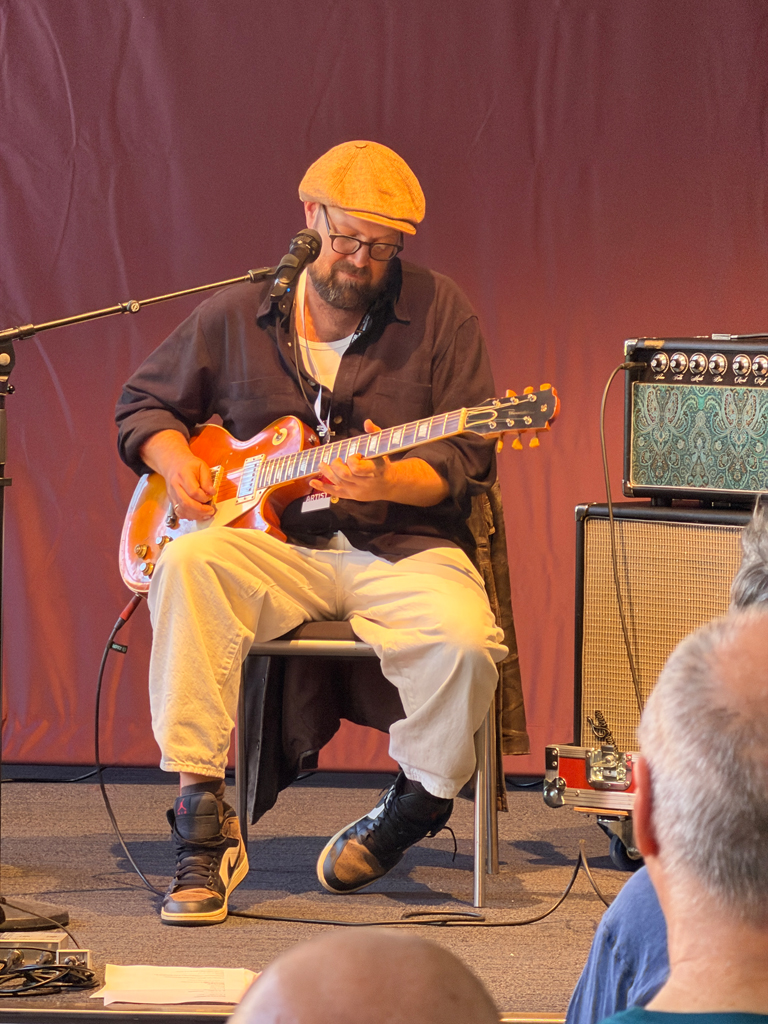
Ideally, there should also be a drummer and a bassist living in your right hand, thinks Henrik Freischlader. Dead notes, muting, dynamics – but he doesn’t have a describable technique for it. Instead, he likes to leave space for vocals or organ. No sooner had he said that than an audience member sang along to his riffs: “See, because I left so much lovely space.” At home he practices without an amp to shape the tone with his fingers. On stage, he relies on a Blackface Fender replica by Precious Tones, which he once discovered by chance as a staged backline – he values the Electro-Voice speakers because they stay clean and neutral. And the hard attack? “My thumb always hurts, but I’ve gotten used to it.”
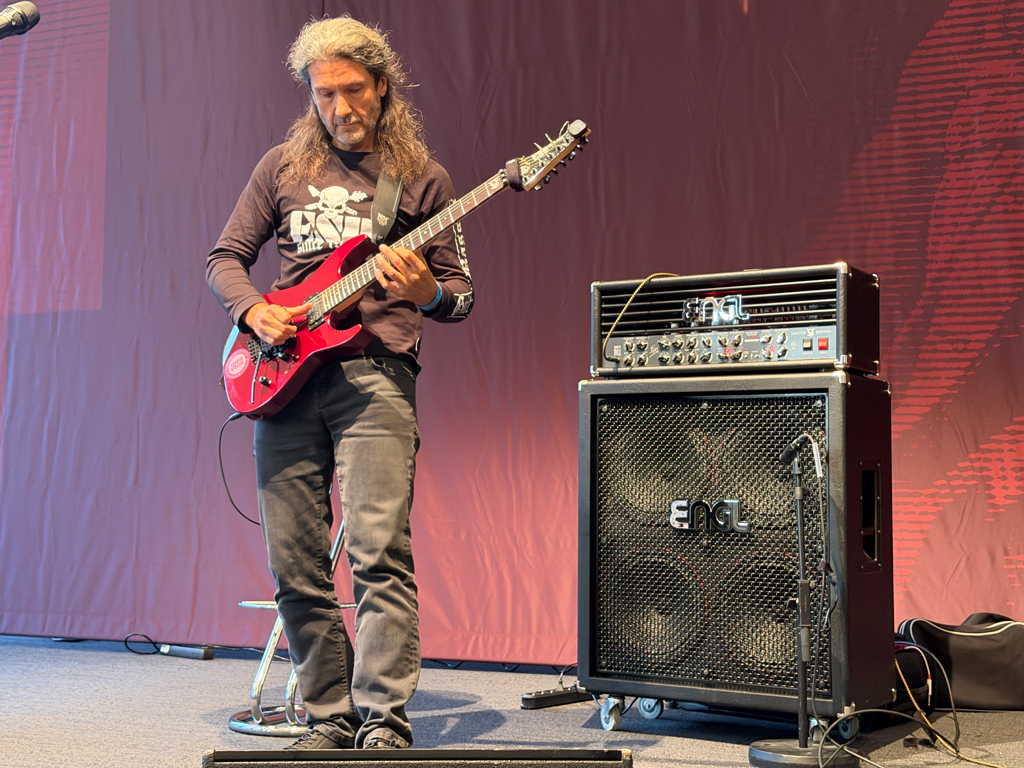
Just in time for the workshop, the new riffing course by Victor Smolski was released – and it deliberately comes without speed drills. There’s already enough of that online; after all, good riffs are what count in bands. AI, MIDI drums? Not with him: it was recorded old-school with an Engl amp, V30 speakers and a Shure SM57, live, loud, and with all the background noise. When composing, he advises not to assume your own abilities, because anyone who only plays what their fingers already know stays trapped in their patterns. Better: let the riff emerge in your head first, like air-guitar playing, and then teach it to your fingers. “A cool riff consists of a cool arrangement.”
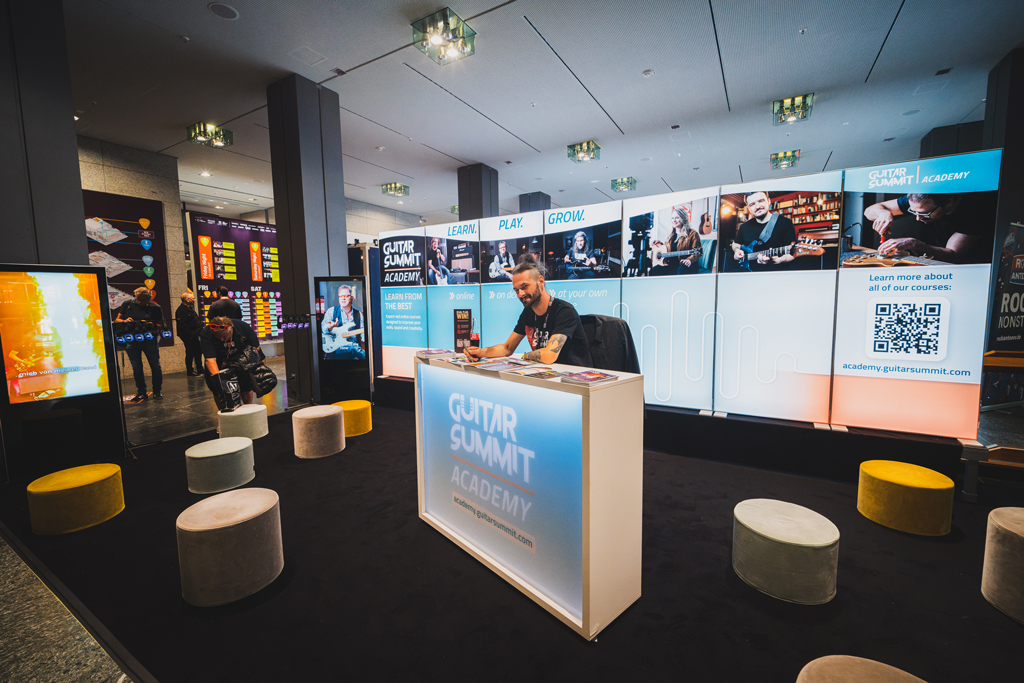
For those who want to dive deeper: “Metal Riffing Mastery” is one of two new courses from the Guitar Summit Academy. For the practical examples, Smolski composed 13 backing tracks and recorded them with an American session drummer; the course starts in Early Access. You can get the course directly on site at the Guitar Summit Academy booth: Level 0 | Booth 100
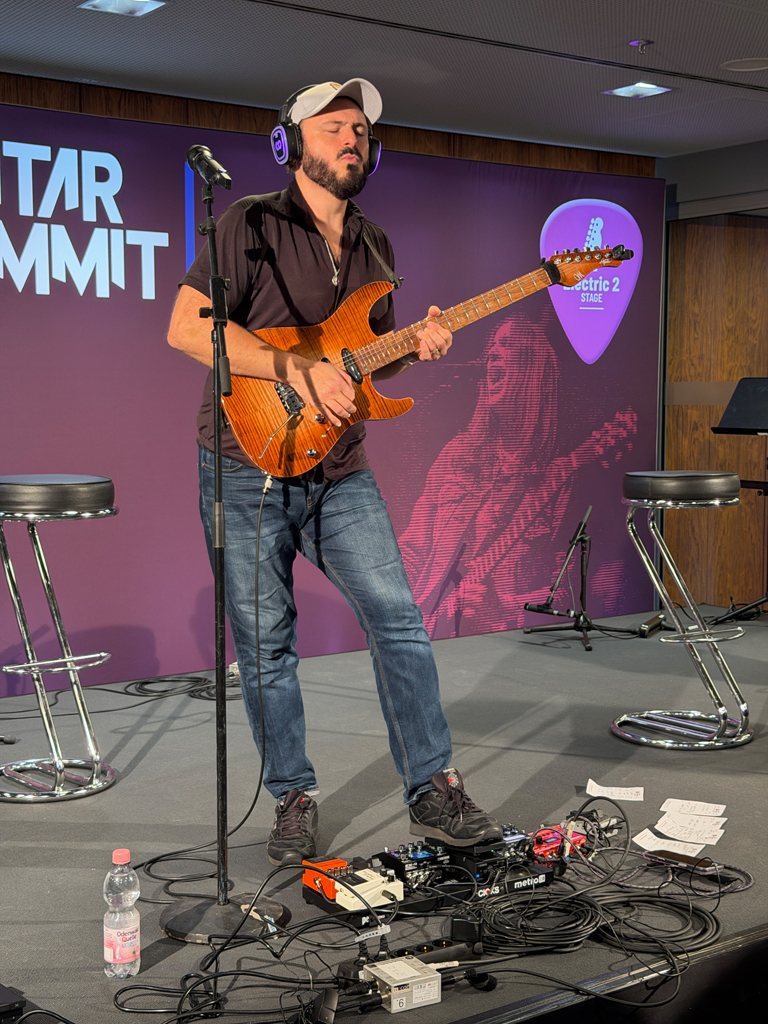
At his second Summit appearance, Alex Hutchings presented the brand-new BOSS EX-4 Effects Expander on the Electric Stage 2 – with a borrowed clip-on tuner from the audience. He had only received the pedal at 8 p.m. the night before and programmed the sounds in his hotel room. You couldn’t tell: from shimmer reverb it went seamlessly into overdrive with pitch shifter, four effects in parallel, plus wah, volume and whammy via expression pedal. Fusion versatility, demonstrated live.
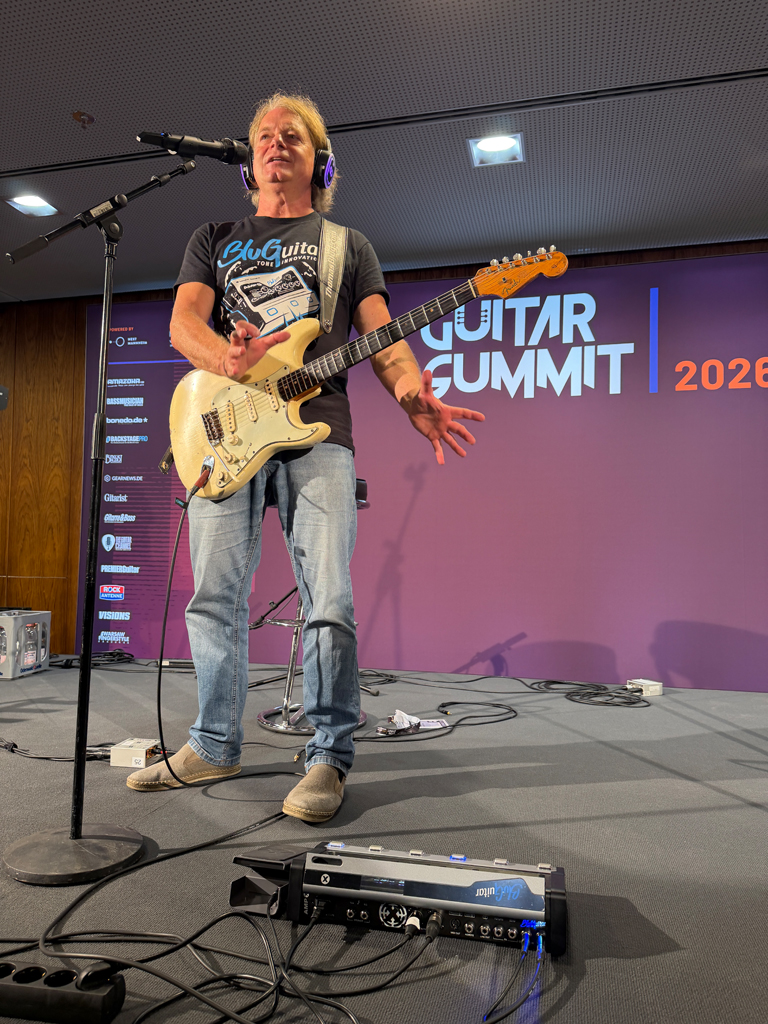
Thomas Blug spent years tinkering with the Amp X, and now it’s finally going into production – and you could hear how much heart and soul went into it. Analog sounds, digitally controlled: many people expect touchscreens today, but for Blug the sound still comes first. There won’t be a quick version 2; the amp is meant to last and therefore has to be perfect.
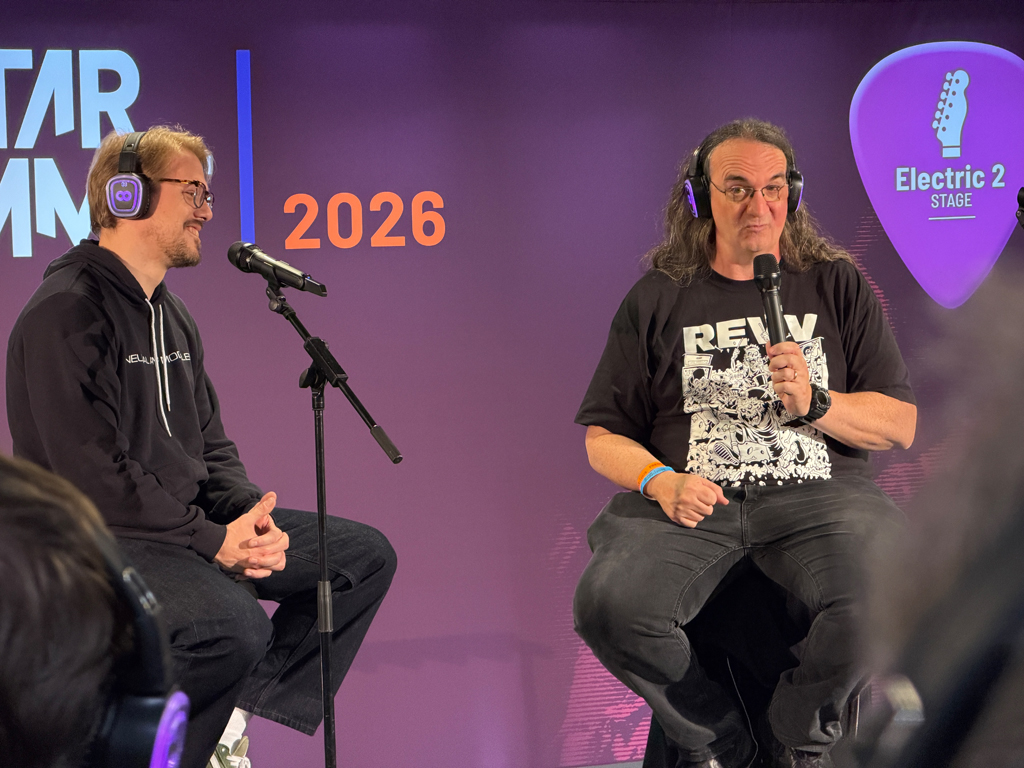
Playing fast is no longer enough, says Glenn Fricker: today, what matters are songs you want to hear more than once – and how a band presents itself on YouTube. He now watches more videos about lighting and cameras than about guitars. “You are competing with Pornhub.” His tip: “Google key light, back light, fill light.” Viewers will forgive a mediocre camera, but not bad sound. Finally, the talk turned to Neural Amp Modeler, which is currently shaking up the modeling scene – Fricker was especially impressed by the new A2 models.
There were also plenty of other highlights: Ace from Skunk Anansie revealed what makes a strong guitar part into a hit single, Mary Spender showed the path from guitarist to songwriter, and Phil Demmel delivered thrash riffing first-hand. There was plenty for the sound tinkerers too: Steve Fryette opened a window into the inner workings of his amps, and producer Lasse Lammert showed how a DI signal becomes a real killer guitar sound.
ROCK ANTENNE Stage: Talks & Interviews
Kicking things off were Sammy Boller and Dave Friedman in the Studio Rats Talk: guitarist meets amp builder, with correspondingly many details about sound decisions in the studio. After that, Jared James Nichols was a guest on the ANDERTONS Talk.
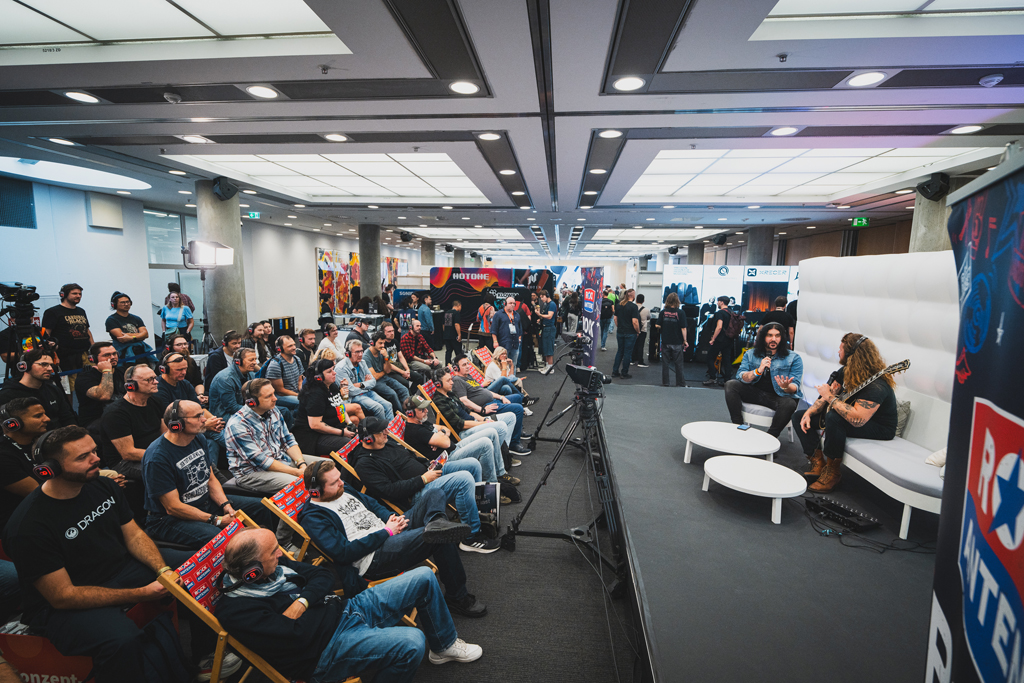
Normally, the American plays completely without a pick, and what he gets out of a Marshall with just his fingers is astonishing. On the Rock Antenne Stage, though, he also impressed without a loud stack. The workshops could be listened to through headphones, fitting the silent-show concept.
Ace from Skunk Anansie gave ROCK ANTENNE an interview about three decades of band history before Marco Mendoza took over. Steve Fryette and Mattias „IA“ Eklundh each spoke with Kris & Guillaume (Thomann), and Don Ross also appeared for a talk. Till Hoheneder held a conversation with Marcus Deml. The finale was Wes Hauch in the ANDERTONS Talk.
Friday Night in Concert
The first evening in the Mozart Hall was all about the acoustic guitar. At least until the final hour.
The evening opened with the winner of the Warsaw Fingerstyle Festival. A lovely tradition: the next generation gets one of Europe’s biggest fingerstyle stages.
Adam Miller & Friends
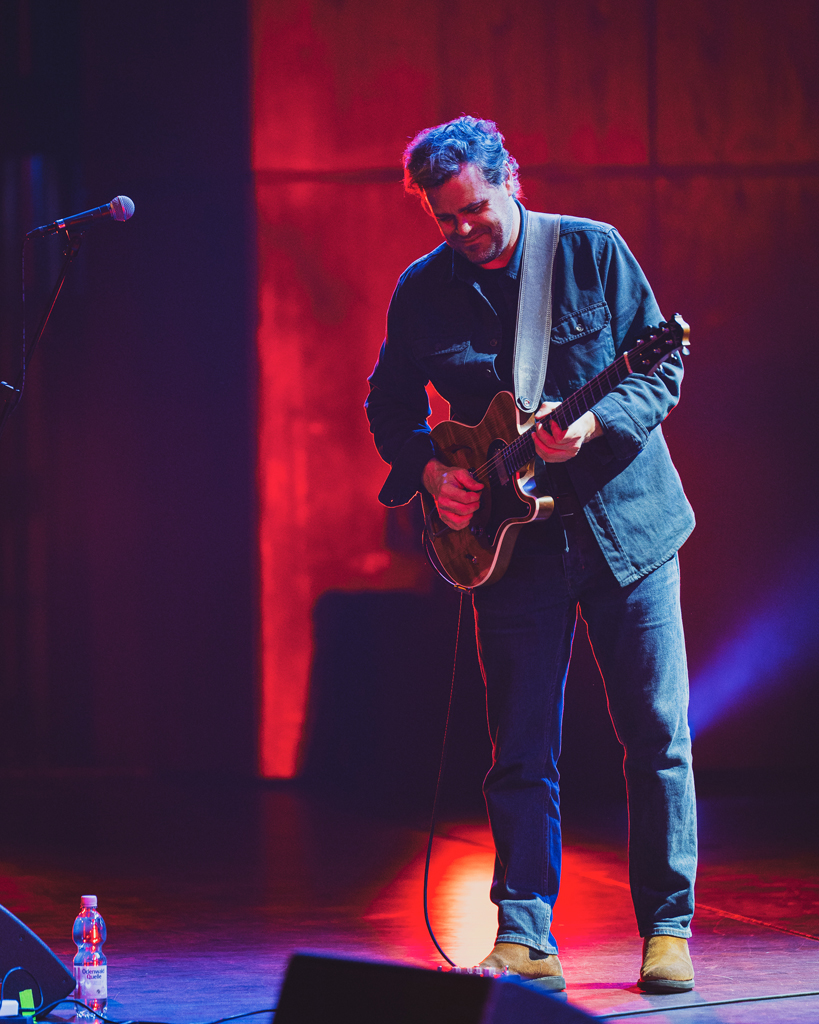
After that, the stage belonged to Adam Miller. The Australian, named his country’s best fingerstyle guitarist in 2002, plays bass line, harmony and melody at the same time and improvises over it without the groove ever faltering.
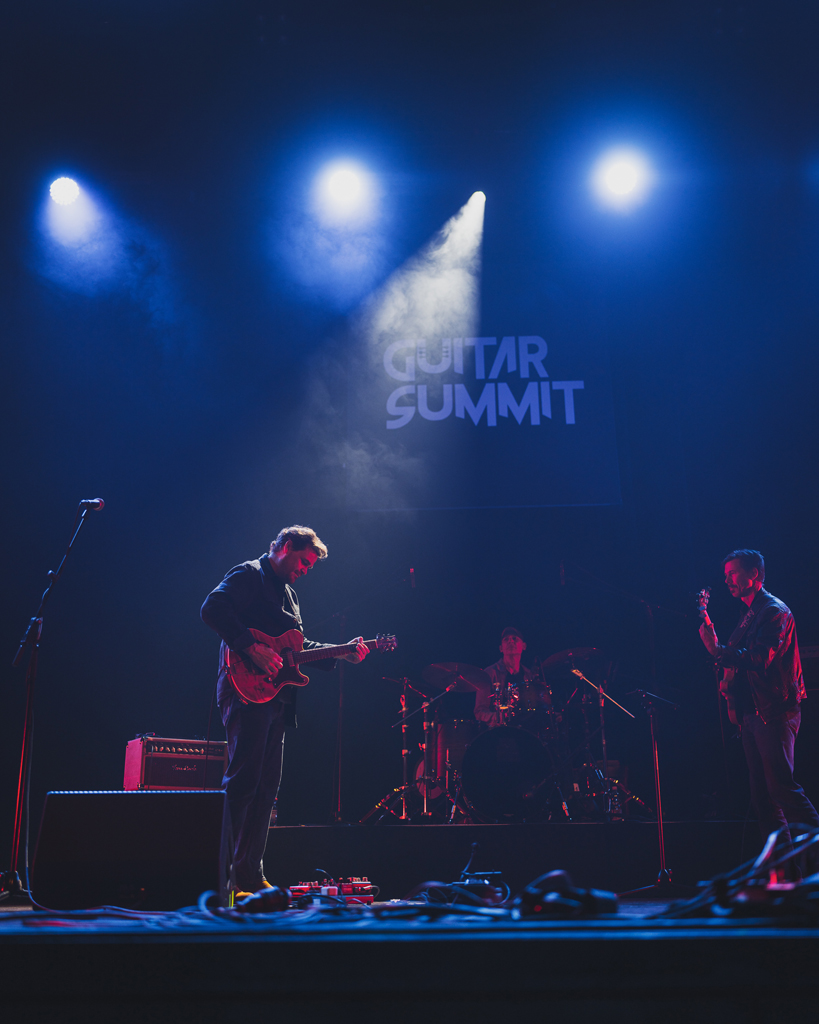
On his Nik-Huber signature model, it sometimes sounds like jazz, sometimes like blues, and almost always like something that makes you want to tap your foot. With his guests, the solo set turned into an evening among friends, with everyone giving each other space.
Mary Spender
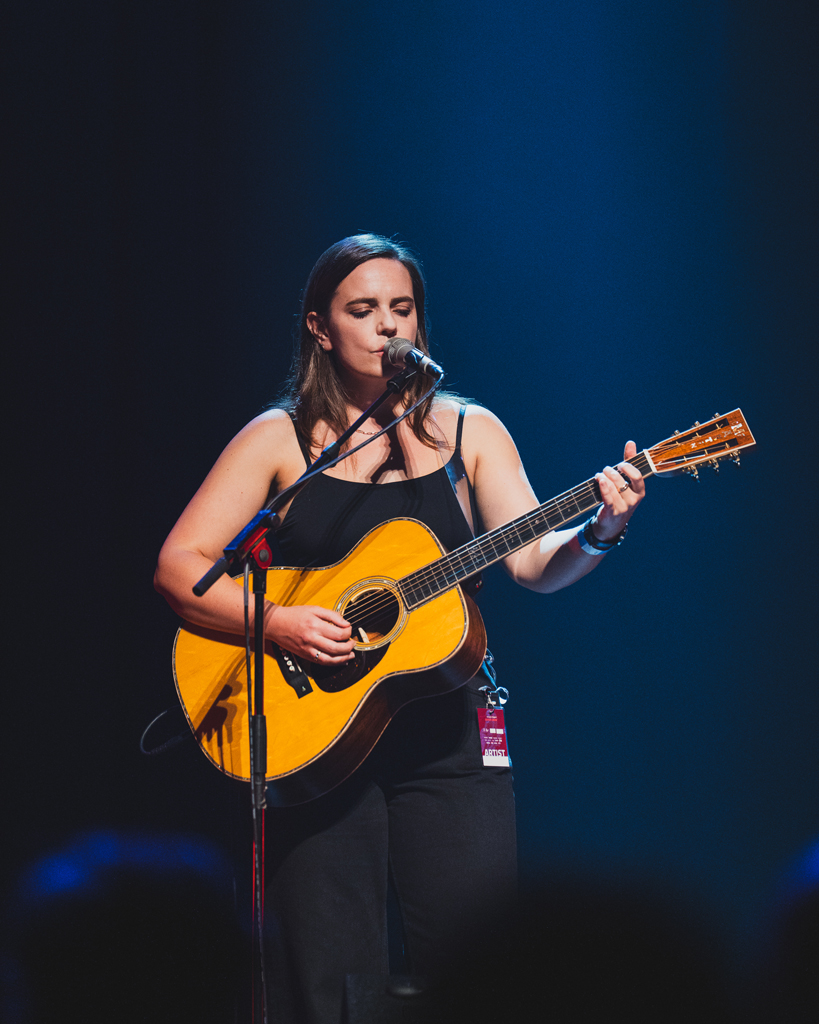
What Mary Spender had talked about in the afternoon workshop regarding the path from guitarist to songwriter, she then proved herself that evening in the Mozart Hall. The Brit, who has built a huge community via YouTube, put her own songs at the center: voice and guitar on equal footing, clearly arranged, with a keen sense for the moment. A performance that showed how much a single person with an acoustic guitar can tell.
Andy McKee
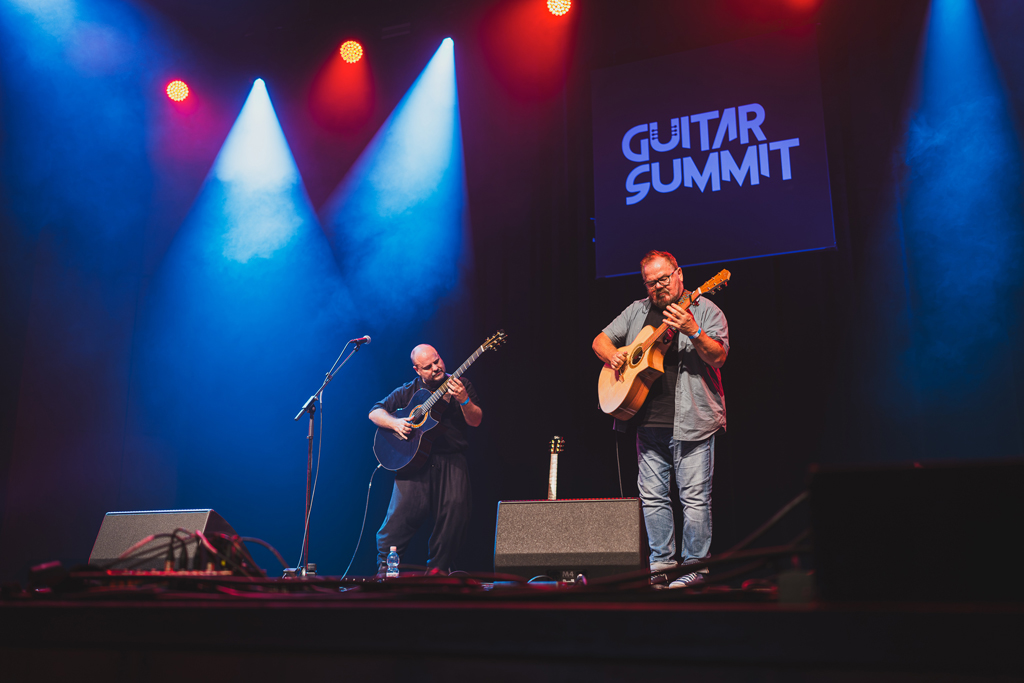
This was followed by someone who redefined fingerstyle playing for an entire generation. Andy McKee makes a single guitar sound like a small band: tapped bass lines, percussive hits on the body, and melodies in open tunings on top.
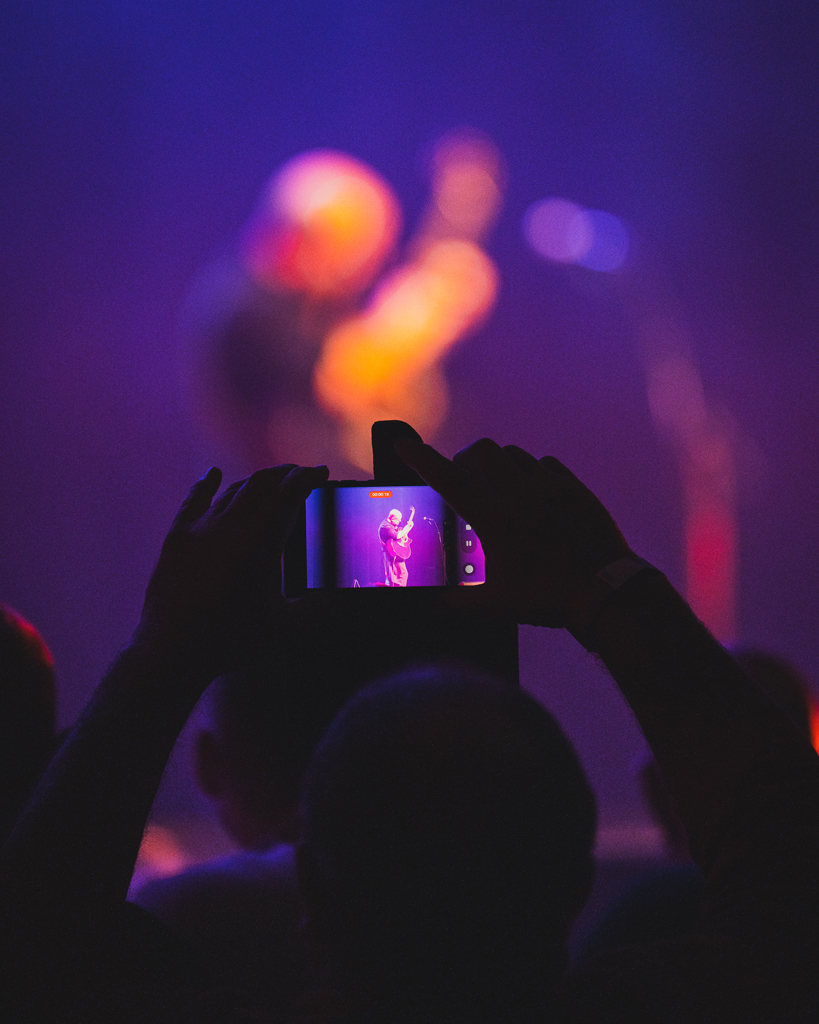
Millions watched on YouTube, but only live does it become tangible how much precision lies behind this apparent ease – and how quiet a full hall can become.
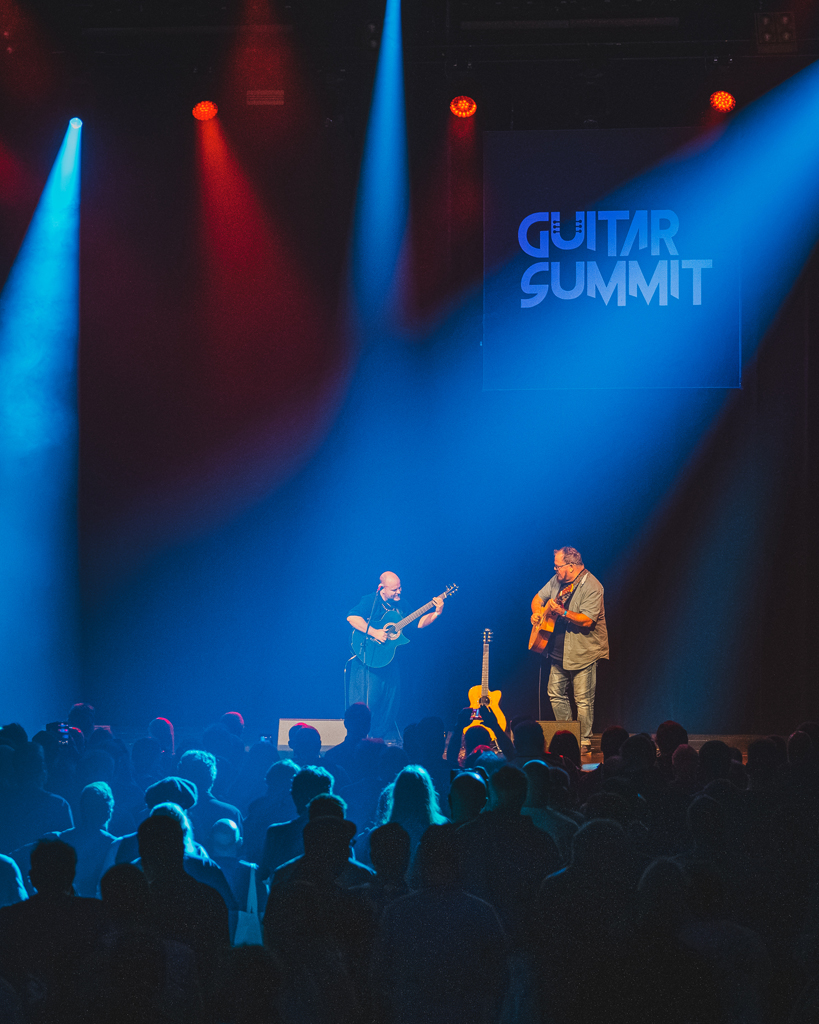
For the final song, McKee then brought Don Ross on stage, and the two played a piece together from the pen of the Canadian fingerstyle legend. Two masters, one stage — a moment like that doesn’t happen often.
Koch Marshall Trio
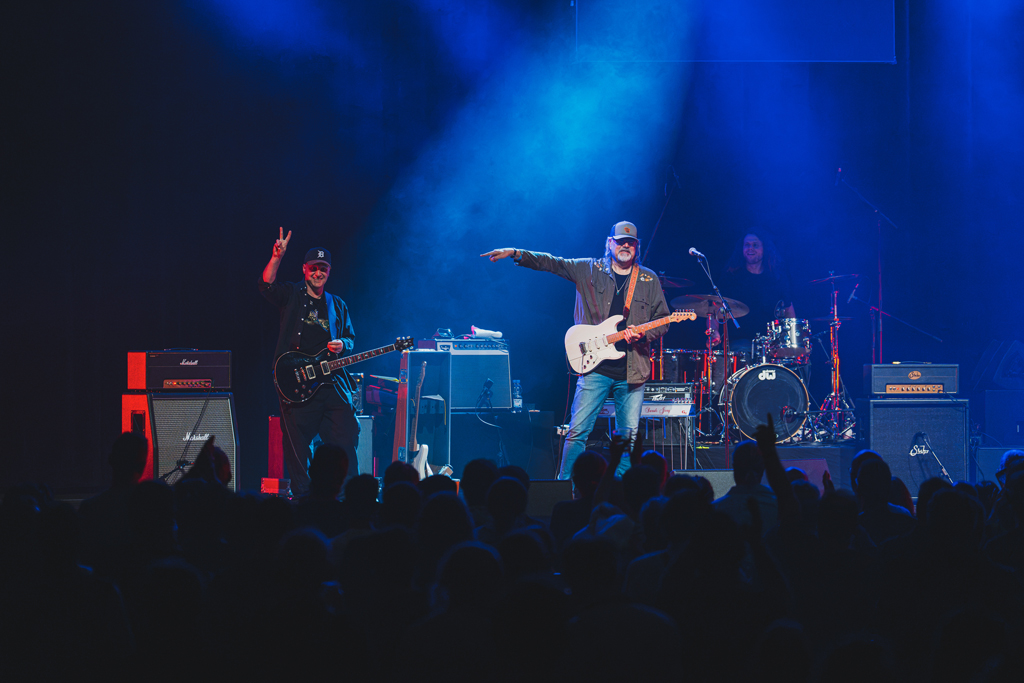
To close, things got electric. Greg Koch was on stage with his son Dylan on drums and Toby Lee Marshall on Hammond organ, and from the very first note the trio made it clear where the journey was headed: blues, funk and rock, with plenty of punch and exactly the dry humor Koch is known for.
You could see how much fun the three of them were having together — and that spark spread, even to other guitarists in the house: surprise guests included Ace from Skunk Anansie, Thomas Blug and Phil Demmel, who joined in for the jam.
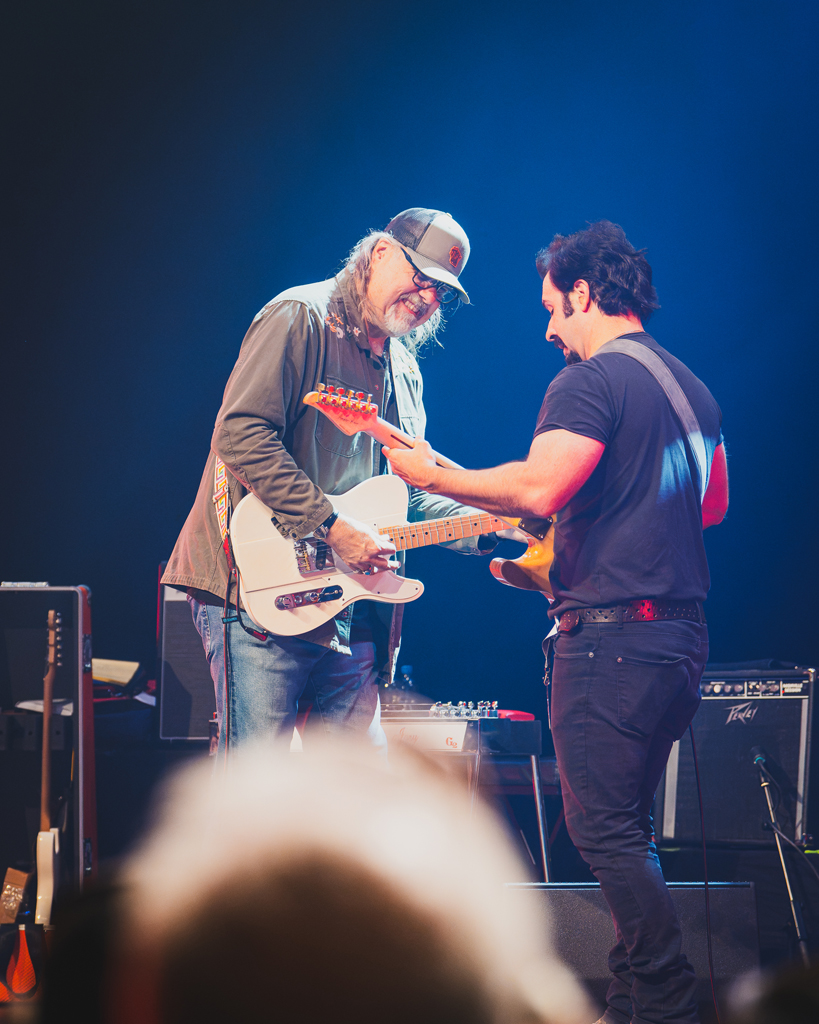
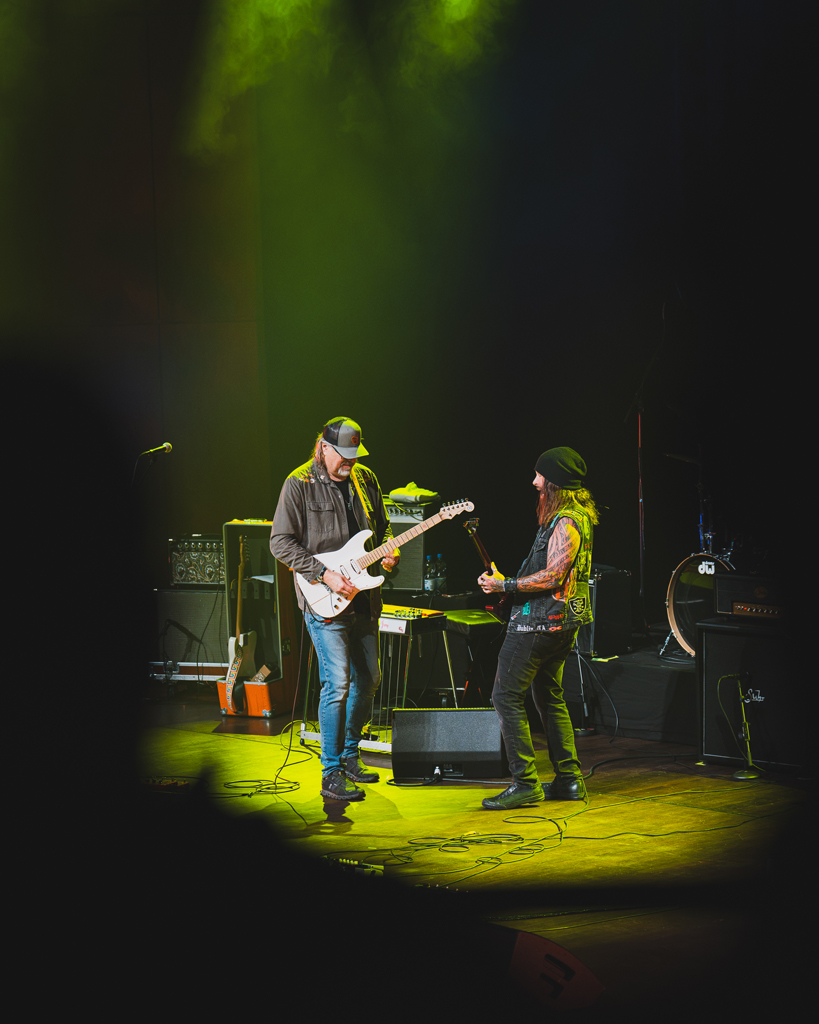
A finale that leaves you wanting more — and there’s plenty of that tomorrow!
26Saturday, September 26Day 2 with 36 photos
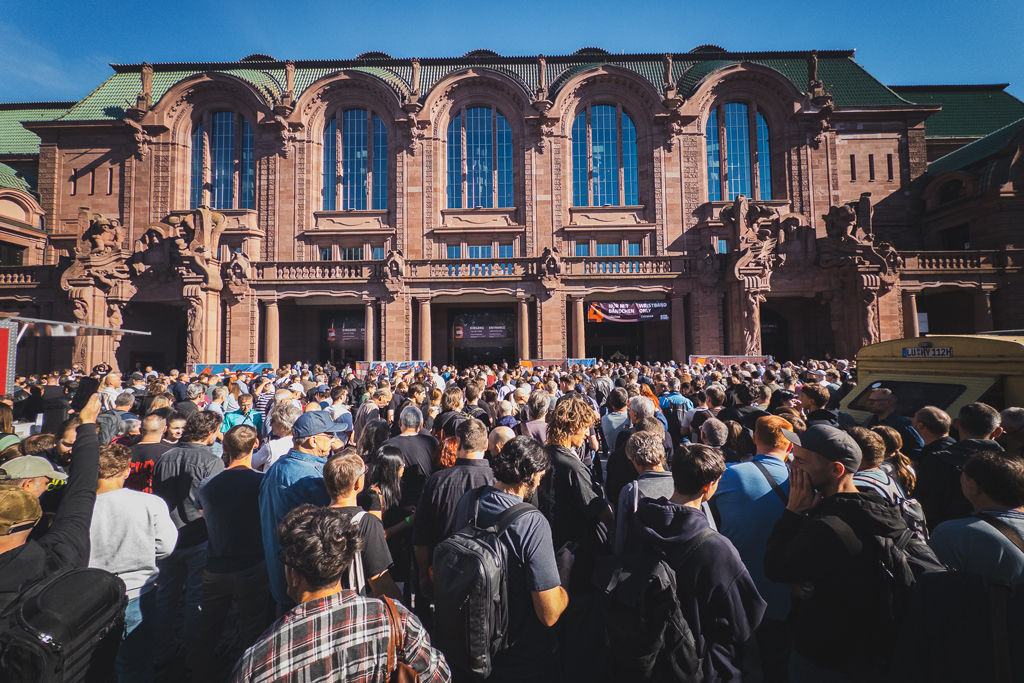
More than 600 brands from all over the world, four levels — and almost everything can be picked up and played. On Saturday, the Guitar Summit showed what makes it special: here, the dream guitar isn’t behind glass, it’s in your hands. From a hand-wound pickup from a one-man workshop to the latest release from a global brand, from classical guitar to a modeling rig. If you wanted, you could try more instruments in a single day than you normally would in an entire year.
Add to that: an anniversary in its own house, workshops with big names on all stages, and a concert evening that culminated in an all-star jam.
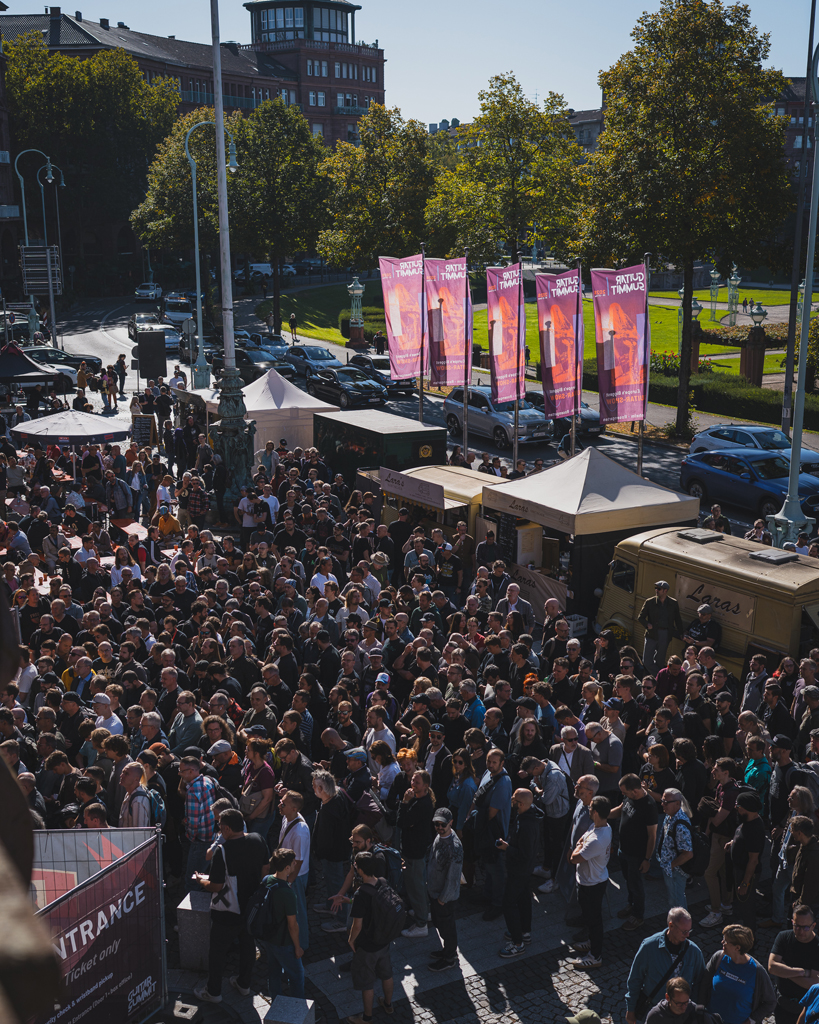
Long before admission, it was clear: today will be crowded. On the forecourt of the Rosengarten, guitar fans gathered in droves, gig bags on their backs, the hall map already on their phones. People talked shop, made plans, counted the minutes. And when the doors finally opened, the excitement was already impossible to miss.
Tour of the exhibition
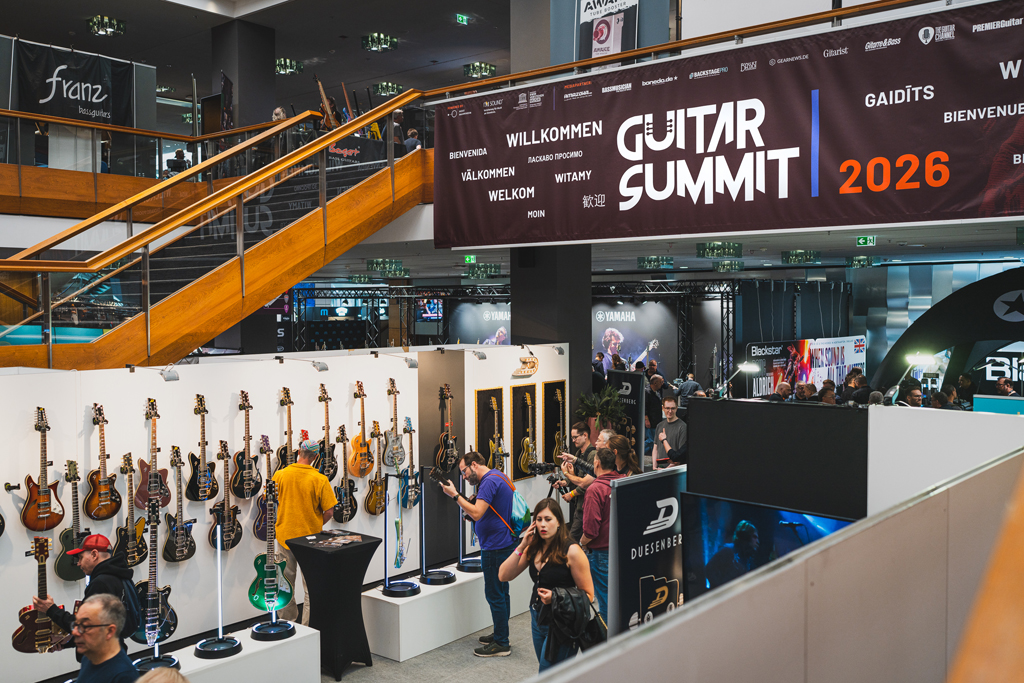
Saturday, shortly after admission. The aisles fill up faster than you can unfold the hall map.
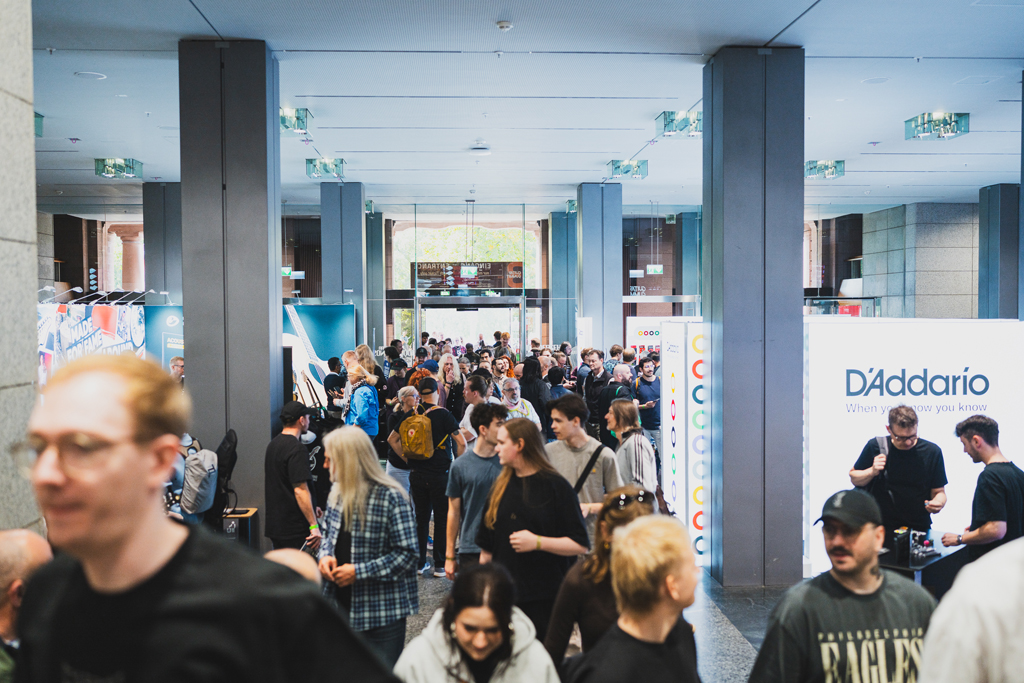
The first stop is usually the booth you marked beforehand. The second then ends up somewhere completely different. Because around every corner, there’s something waiting that you’ve never seen before.
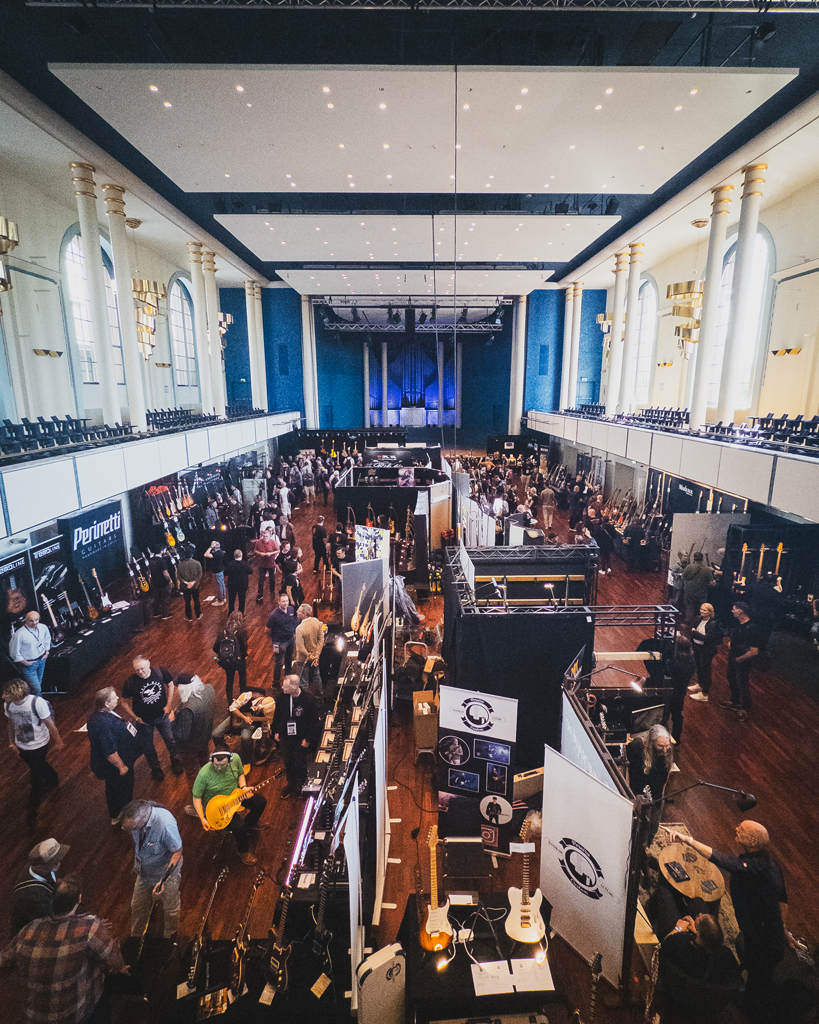
An entire level is dedicated to boutique makers: small workshops, great craftsmanship. Anyone who stops here gets the story of each instrument included right away — from the wood to the last fret.
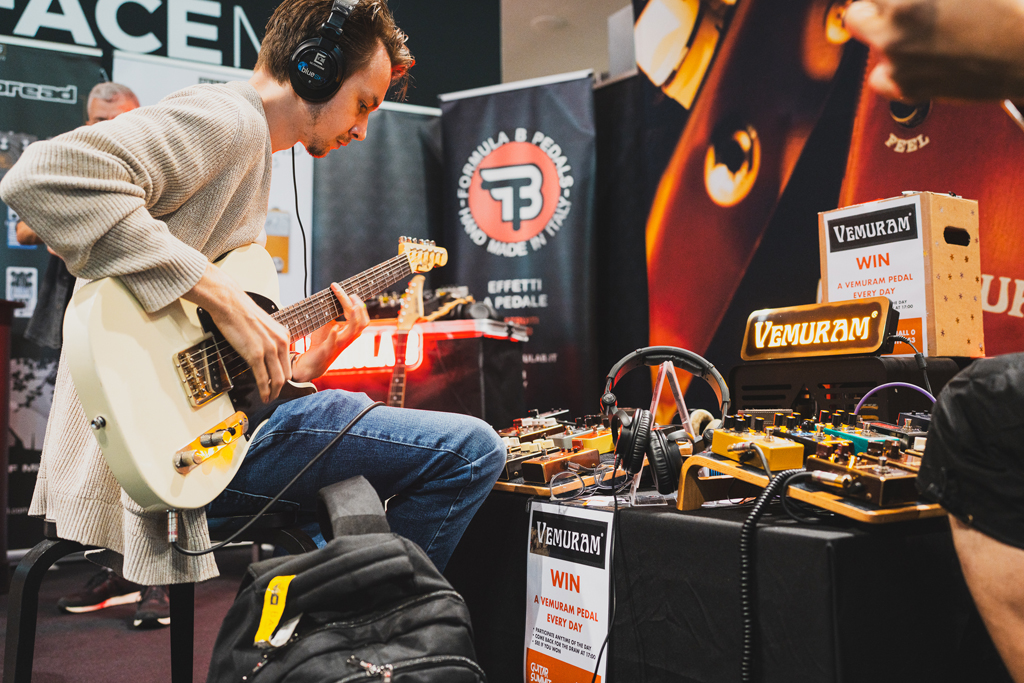
And then that moment: the guitar comes off the hook, the hand glides along the neck. Too thick? Too thin? Just right? You find that out here — not in the product photo.
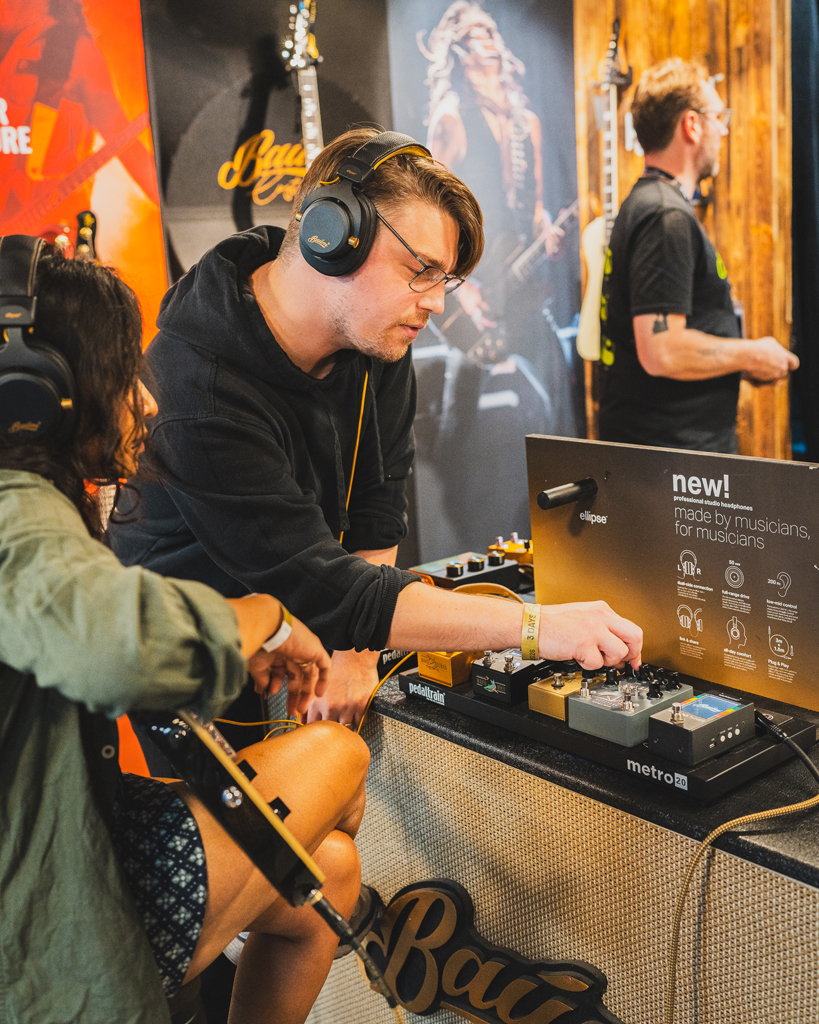
A few meters further on, someone is sitting in front of a pedalboard, eyes closed. One more turn on the gain, one more on the delay. The satisfied nod says more than any review ever could.
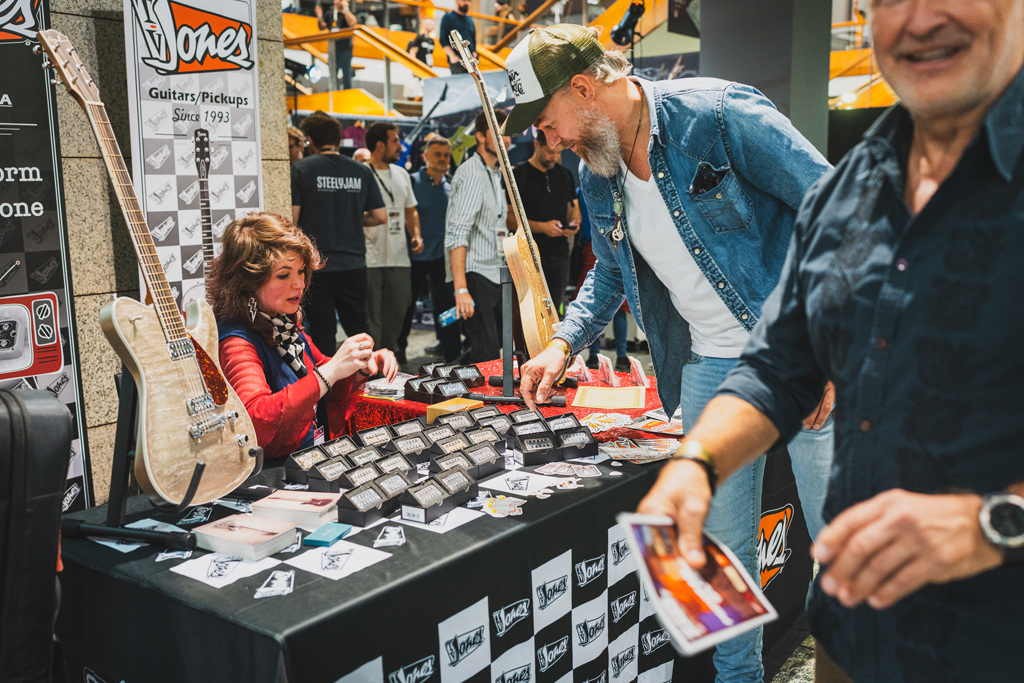
There’s talk everywhere: about pickups, string gauges, tube types. Behind the booths are often exactly the people who designed, built or programmed the instrument. Questions are expressly welcome.
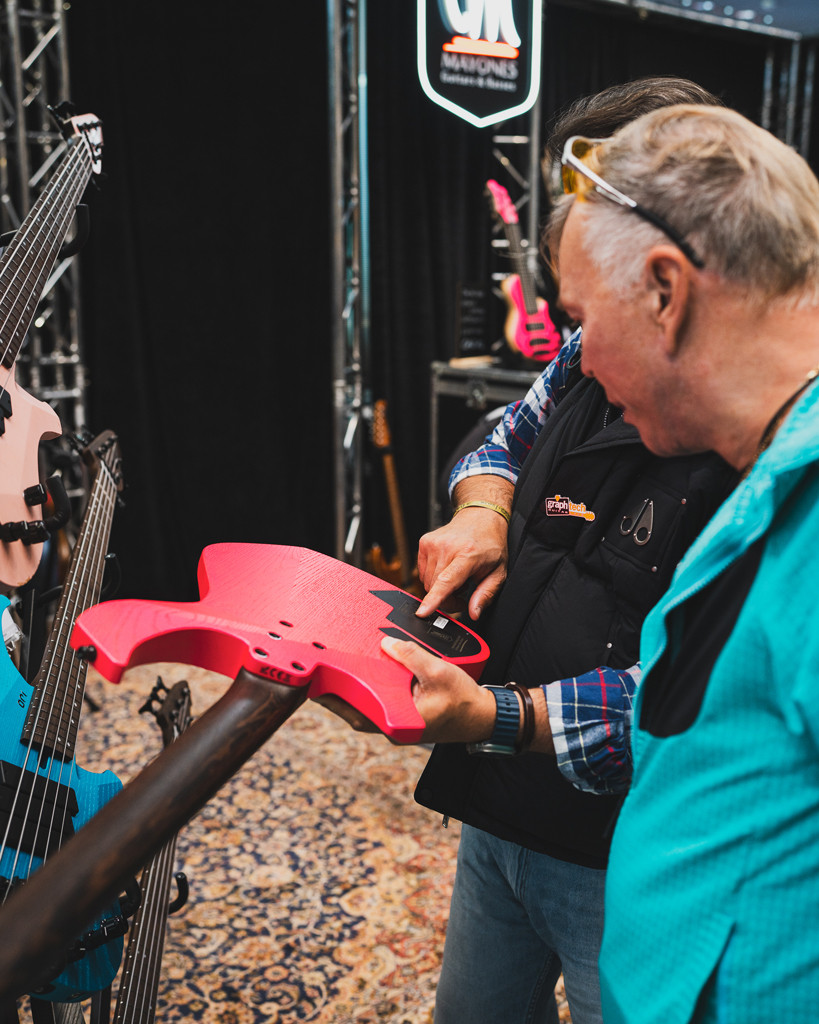
Heavy amps and modeling rigs, acoustic guitars you could play for hours, plus basses, strings, cables, tools and accessories in every imaginable form. The range is huge — and that’s exactly what makes it so appealing.
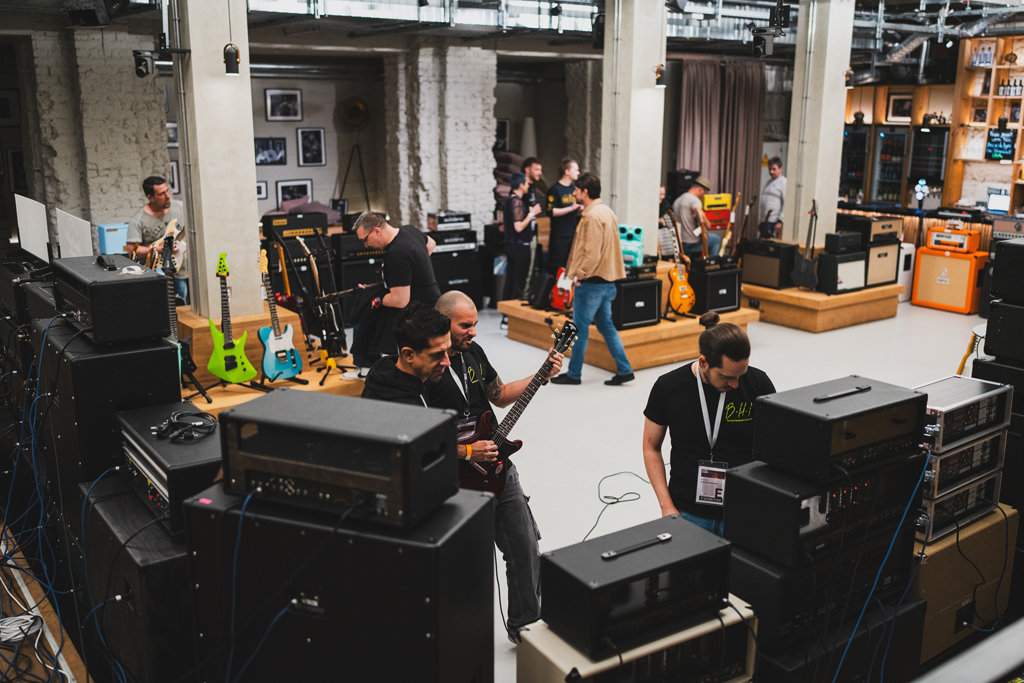
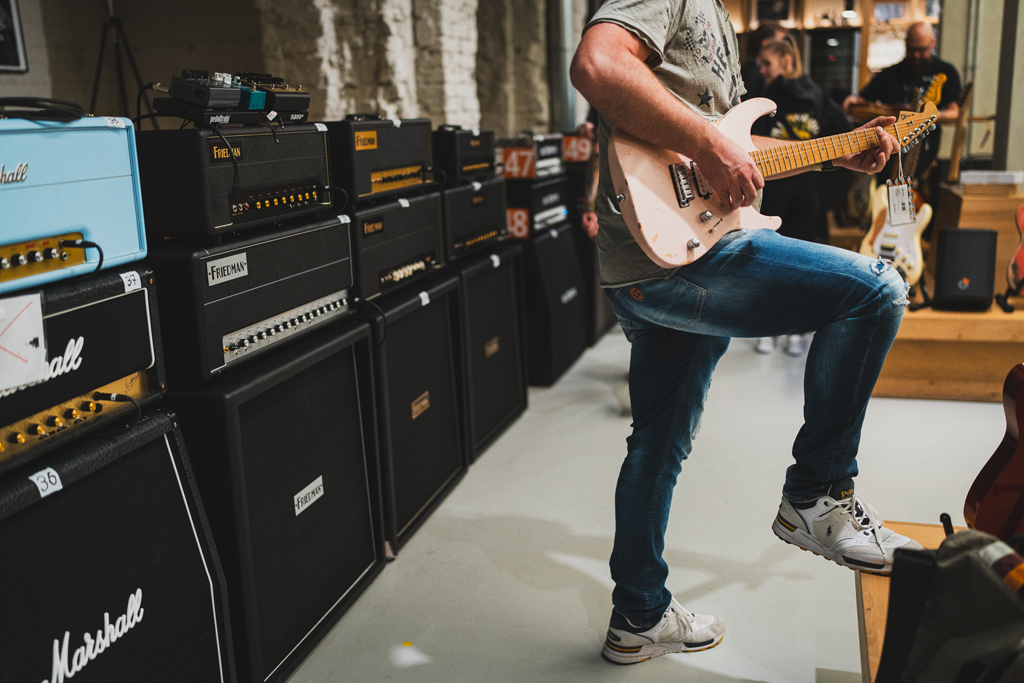
And then there’s that one room where it’s allowed to get really loud. In the Tube Ampfinity, powered by Musik Produktiv, the tubes are glowing on level −1. Dozens of amps, dozens of cabinets, all wired together. One button press, and the head plays through a different cabinet. Another one, and a completely different amp is connected. That makes it possible to compare directly what would otherwise take weeks in a music store.
Many manufacturers use the Summit to present their new products for the first time — and here they’re ready to try out right away. Which ones they are and at which booth you can find them, see here: All new products 2026
40 years of Gitarre & Bass
The best way to celebrate a birthday is with friends — and there were plenty of them on Saturday. On the ROCK ANTENNE Stage, host Till Hoheneder invited the people behind the magazine for a talk. Dieter Roesberg has been there since the first issue in 1986. He started out translating articles from the American Guitar Player. In his first own texts, he then asked himself what could be done better. That’s exactly how the Guitar Summit came about too: look at other trade fairs and learn from them how to do it better.
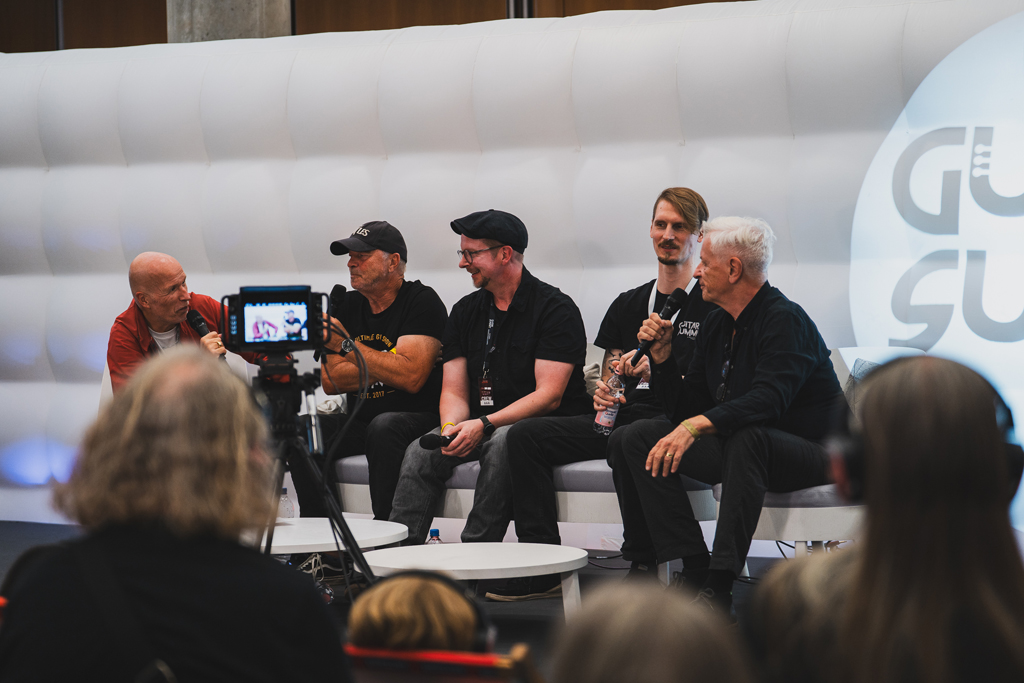
Is print still relevant? For editor-in-chief Florian Stolpe, that’s not even a question. The Summit is the place where all of this becomes real life — and a magazine belongs there too. His deputy Stefan Braunschmidt grew up with art rock and progressive rock. A friend of his father used to bring him a laundry basket full of old Gitarre & Bass issues at the end of every year. He practically studied them and learned how to write in the process. And author Heinz Rebellius? He once started out as a “Saturday substitute salesman” and later wrote texts for the Musik Produktiv catalog. Till Hoheneder even bought an Engl amp from him back then.
Right after that, it was a few steps further to the Meet & Greet at the Gitarre & Bass booth: editors, authors and lecturers were ready for praise, suggestions and plenty of guitar stories.
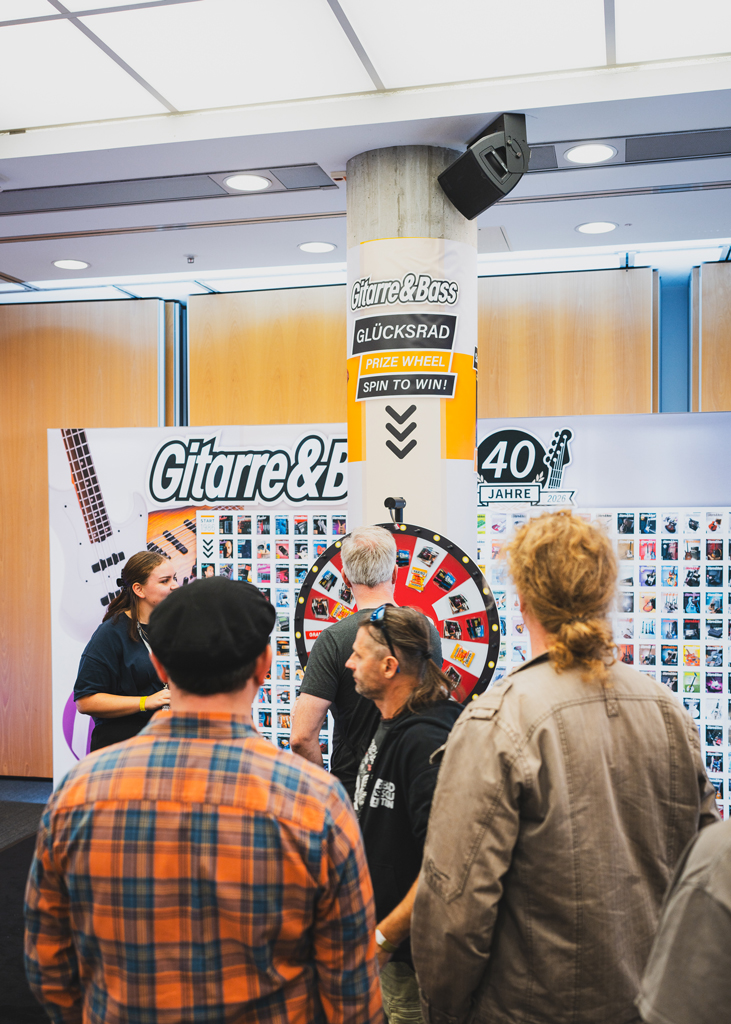
And then there’s the spin wheel, which keeps turning all three days. Prizes include Elixir strings, Gitarre & Bass magazines, and entry into a Harley Benton raffle. And anyone who doesn’t land on one of those fields goes home with gummy bears – there simply are no losing spots here. If you haven’t spun yet: on Sunday, the wheel keeps turning. (Level −1 | Booth 004)
Workshops & Masterclasses
On Saturday too, the program ran in parallel on all stages from midday into the early evening – and the density of big names didn’t make choosing any easier.
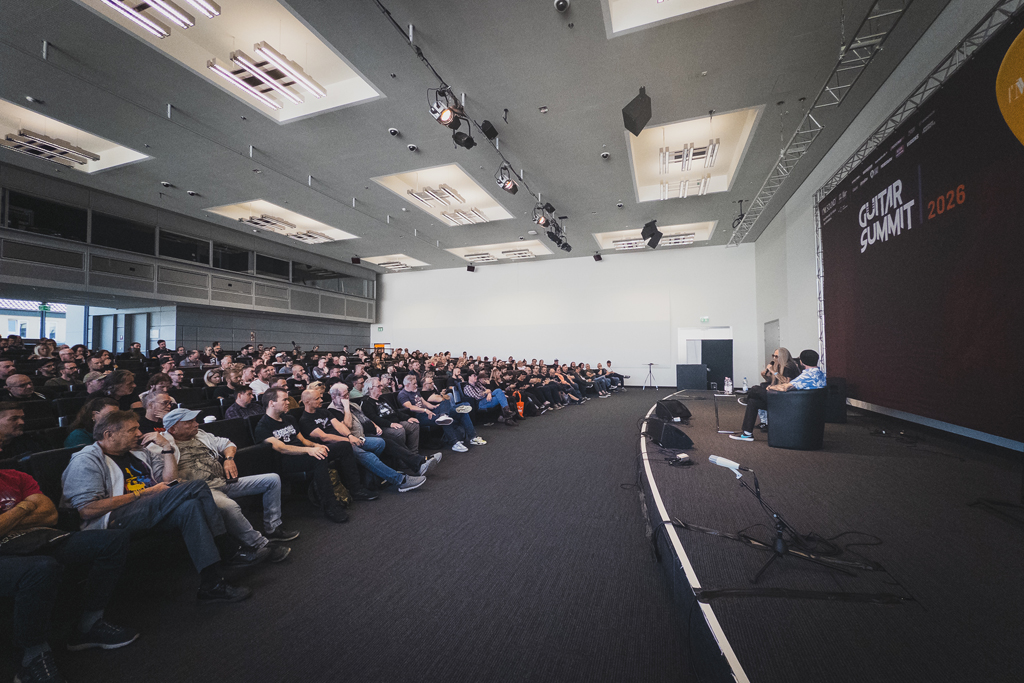
What does modern metal sound like before it ends up on record? Peter Tägtgren and Kristian Kohle opened the studio door to kick things off. As the driving force behind Hypocrisy and Pain and as a producer, Tägtgren has shaped the scene’s sound for decades; Kohle has given countless metal bands more punch at Kohlekeller Studio. So the discussion naturally got very hands-on, focusing on guitar sounds from a producer’s perspective – in interactive exchange with the audience.
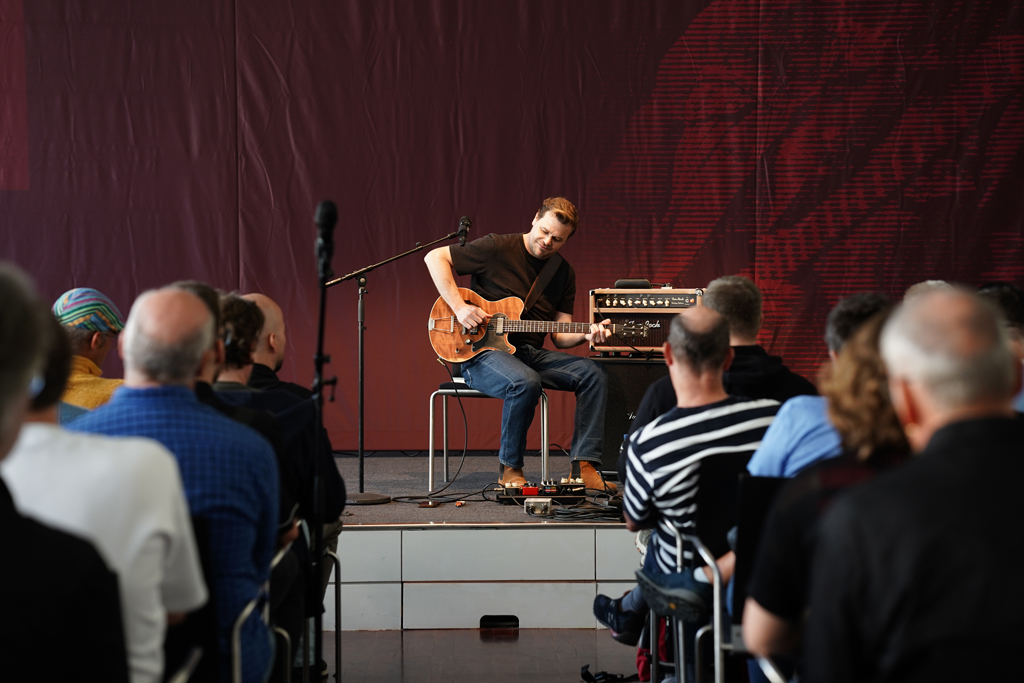
Adam Miller traveled all the way from Australia for the Summit – almost as long as he’ll be staying in Germany. To kick things off, he played “Shipping,” a song about a guitar that didn’t survive the journey. He’s known Nik Huber for 16 years, and even before that a Huber review hung on his wall. And the difference between solo and band? On his own, shaped by tours with Tommy Emmanuel, he layers bass lines à la Chet Atkins under everything. In a band, he leaves room for the bassist: “I always want the melody to be the strongest thing.” By the way, “almost everything” is improvised.
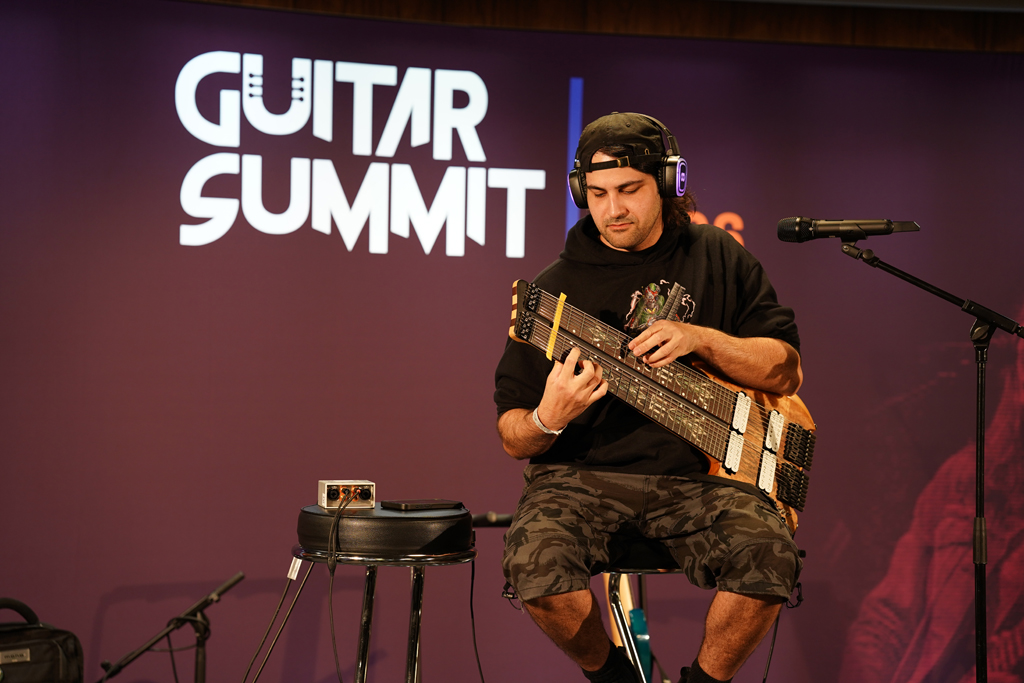
At the Summit for the first time and an instant eye-catcher: Felix Martin plays a guitar that looks like two eight-strings side by side – and he taps it entirely. The reason lies in his hometown: in the small city in Venezuela where he grew up, there was no teacher for classical fingerstyle, so he taught himself tapping. When he eventually laid a second guitar on the table in front of him, the idea was born. Both halves are tuned standard: “You can tune it differently, but it's trouble enough already.”
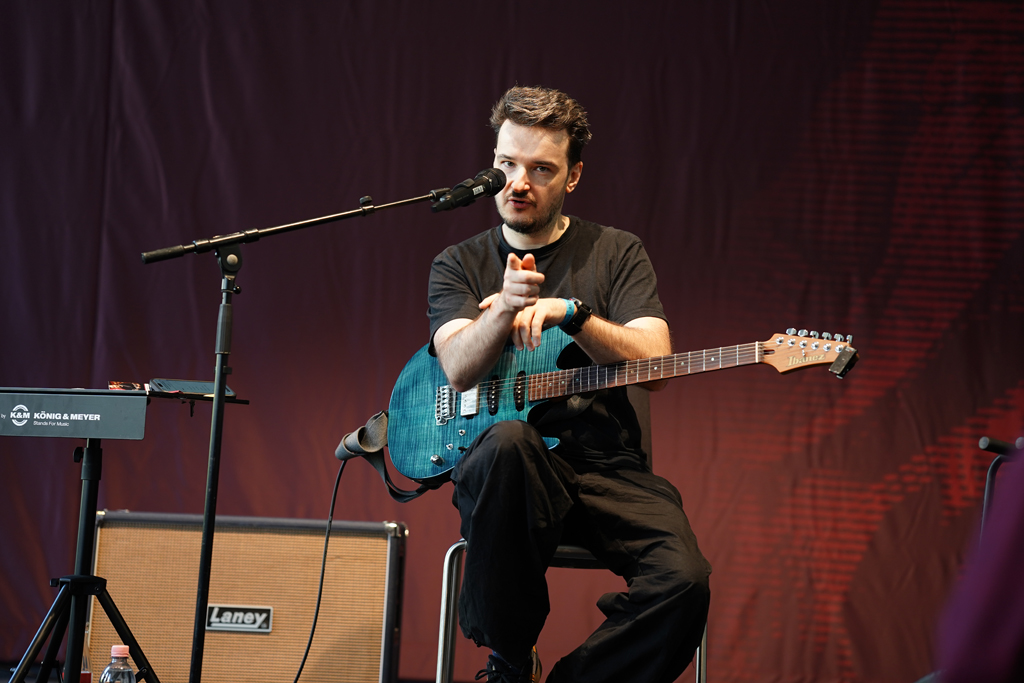
It’s not what you play, but how: that’s what “Phrasing, Feel & Sound”, the new Guitar Summit Academy course by Martin Miller, is all about – and that’s exactly what the Summit regular demonstrated live as well. A big part is devoted to bending. The key is anchor points, meaning where the fingers find support. Power should come from strong parts of the body; when bending, from the forearm rather than the fingers. His practice tip: first play the target note, then pull the lower note precisely up to it. It gets even trickier when you compare the target note with a pre-bend.
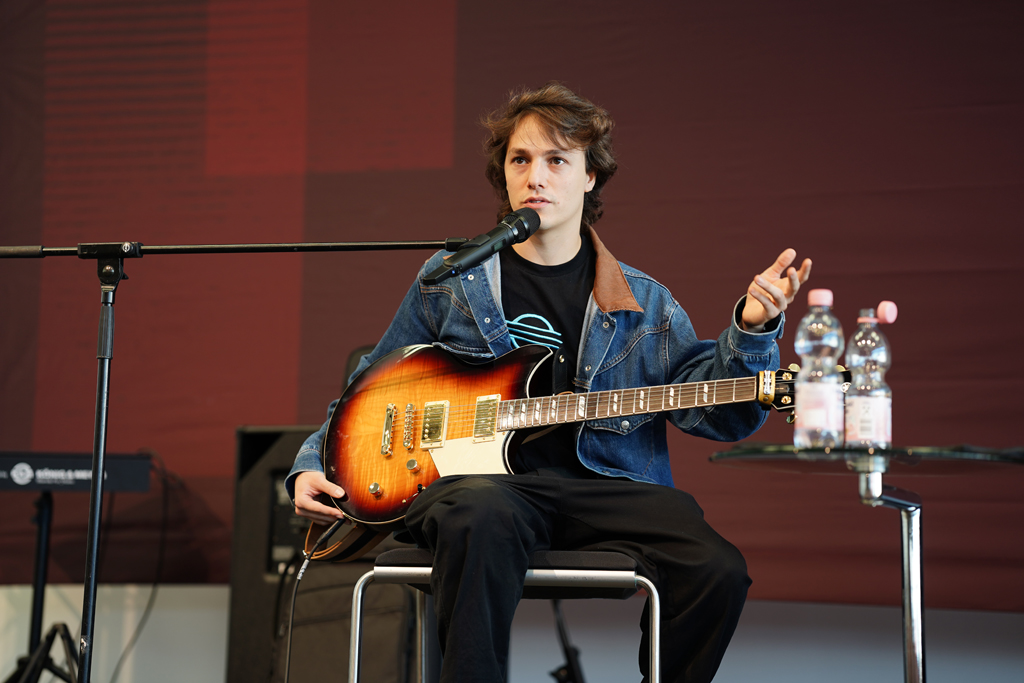
Matteo Mancuso was one of the most eagerly awaited names of the weekend. The Sicilian plays electric guitar with classical finger technique and has created a category of his own in just a few years: jazz phrasing, rock energy, and a right hand that works differently from everyone else’s. He got to experiment early on: his father plays too and has a large guitar collection at home. Mancuso started at ten; today he is 29 – “so I had some time to learn this already,” he quipped dryly.
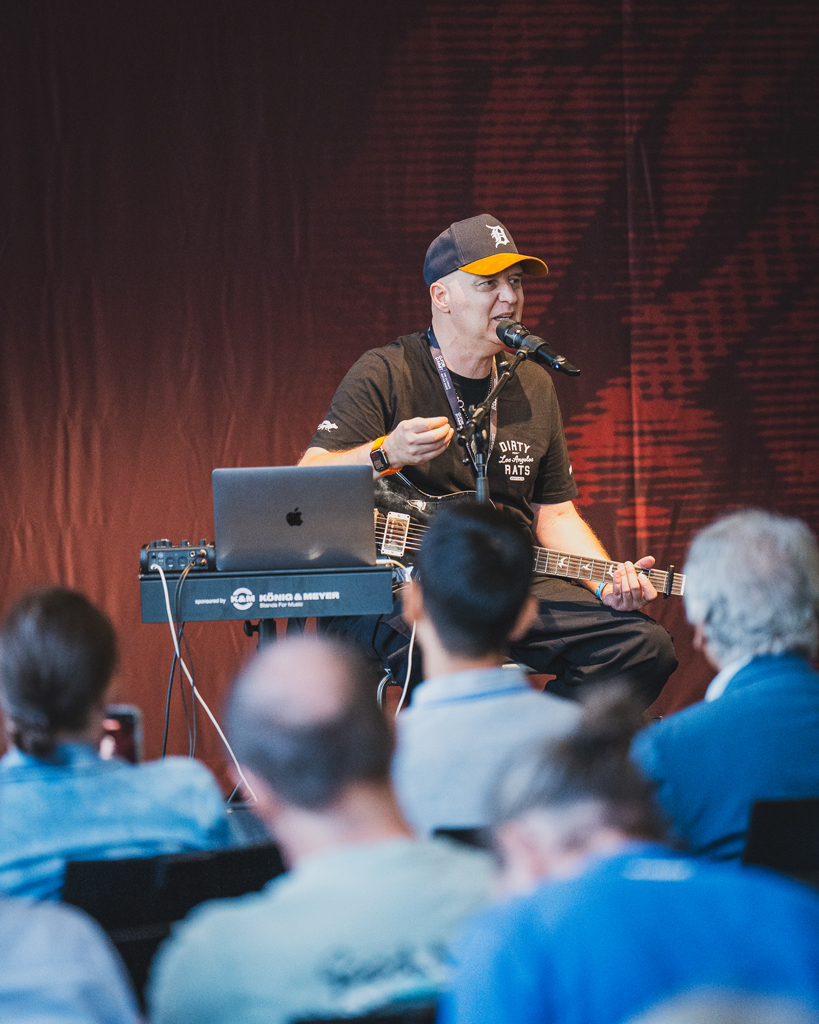
Ace has been the guitarist for Skunk Anansie since the nineties – and knows how to turn a riff into a radio hit. In “Professional Musicianship And Hit Singles,” he shared what three decades between studio, festival stage, and charts teach about the craft: professionalism starts long before the first note.
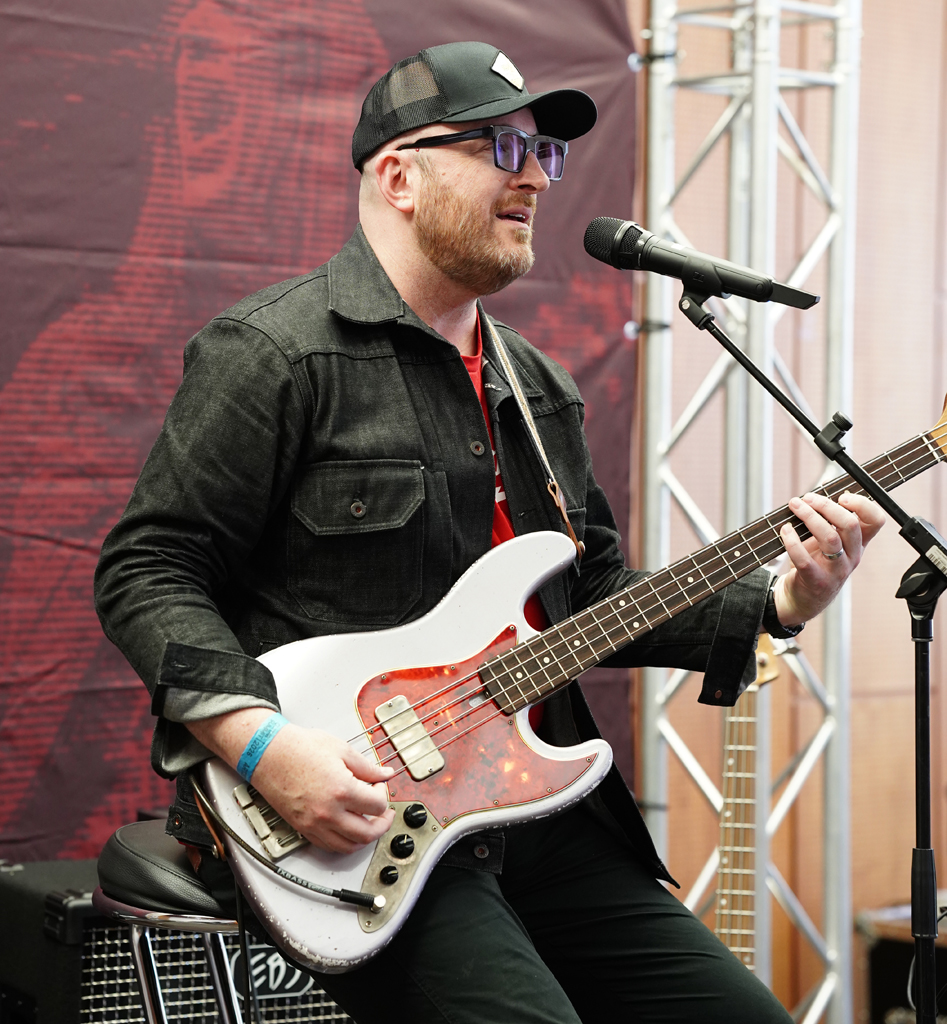
A bass has to stay unobtrusive in the mix? Not with Ian Martin Allison. In “Beyond Clean,” the bassist, known to many through BassTheWorld.com, showed how drive, fuzz, and modulation can be used musically rather than as mere gimmicks – “I always get called to do the weird bass sounds”. As much as he likes talking about effects, in the end they’re just tools to him: “A sound is just a tool to discover yourself.” He put the decisive question to the audience: “What's the sound that makes you feel like you?”
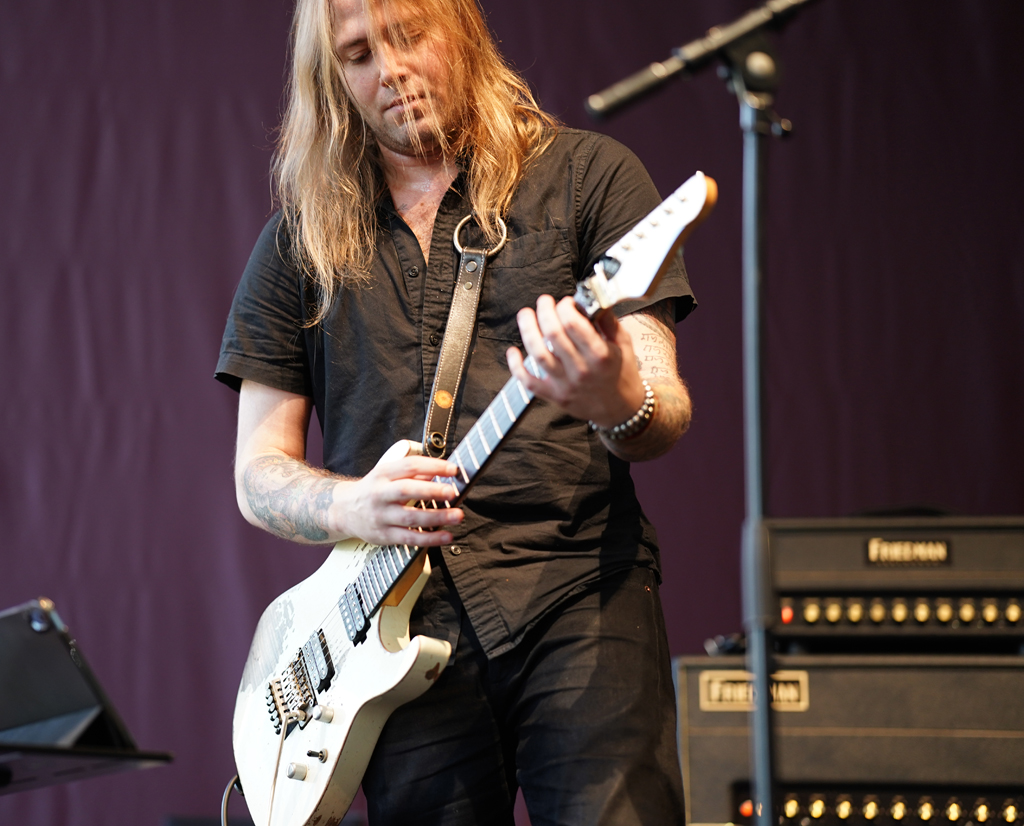
Too much talk about gear? Not with Dave Friedman. The amp builder introduced Sammy Boller as a long-time artist on his brand and made it clear right away what the focus would be: “You've seen enough gear already, right? So let's play more music for you.” Said and done. Boller, who also performs with Friedman in the “Studio Rats,” took over – and impressively demonstrated how much punch and volume a Friedman can deliver. The front rows probably had ringing ears for quite a while.
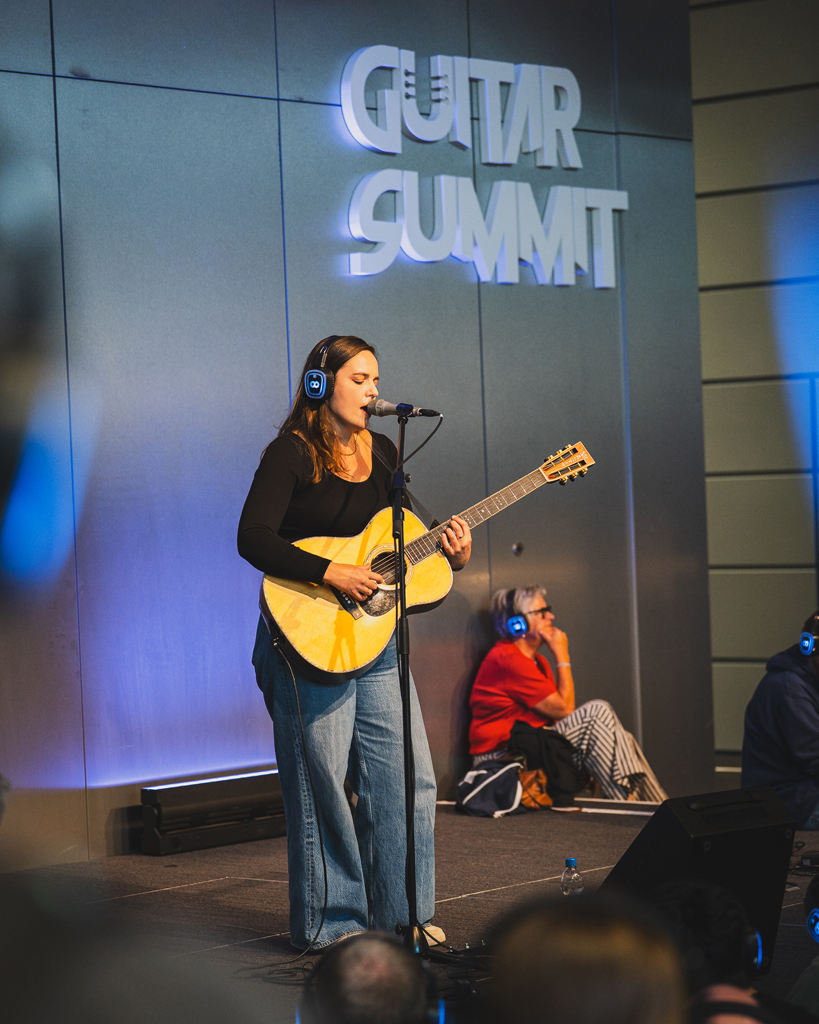
Does the guitar change the way we play? With that question, Mary Spender struck a chord on the Acoustic Stage.
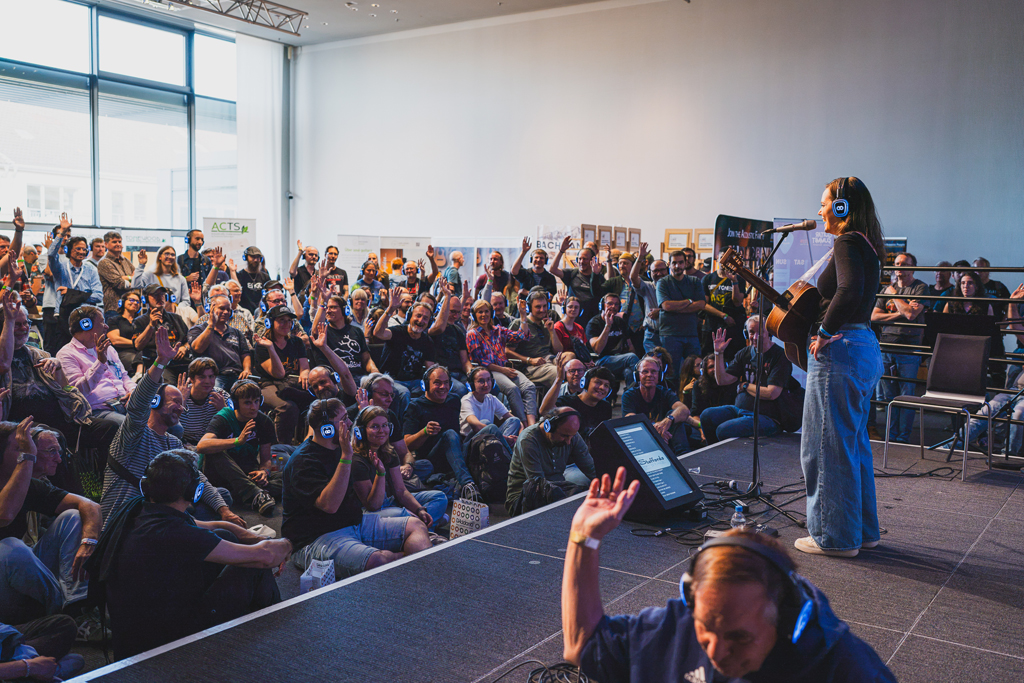
After her songwriting workshop and Friday’s concert, this time the focus was on the instrument itself: how body, neck, and tone shape one’s playing style – and ultimately the songs too.
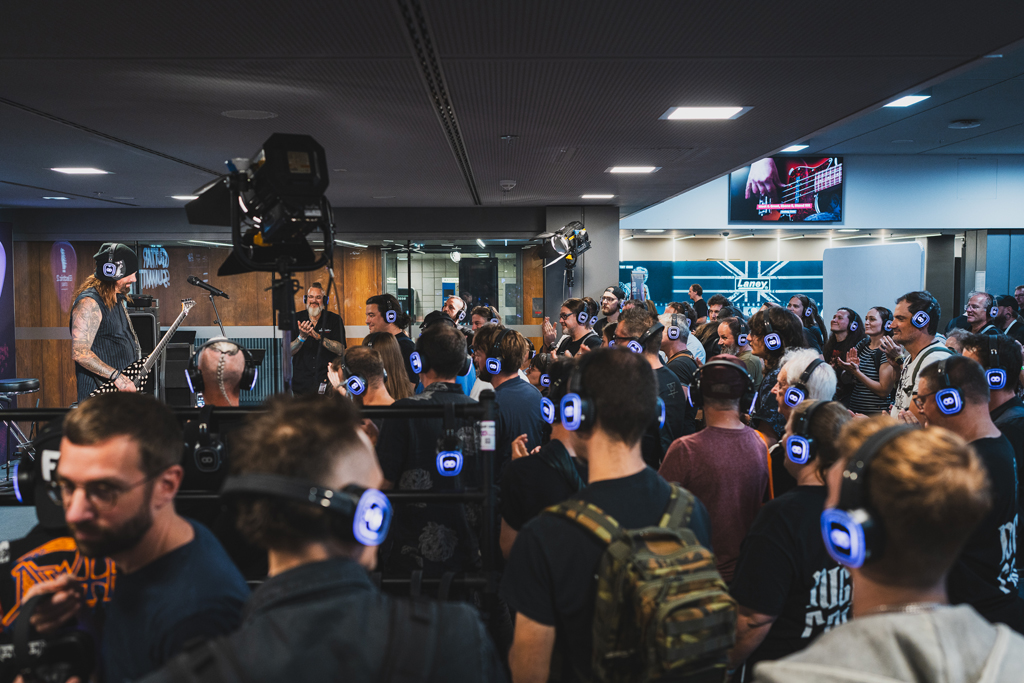
After his interview on the ROCK ANTENNE Stage, Phil Demmel picked up a Jackson himself in the afternoon. The guitarist, known from Machine Head and Vio-lence, showed on Electric Stage 2 how much precision goes into a thrash riff – and how much grit it still needs.
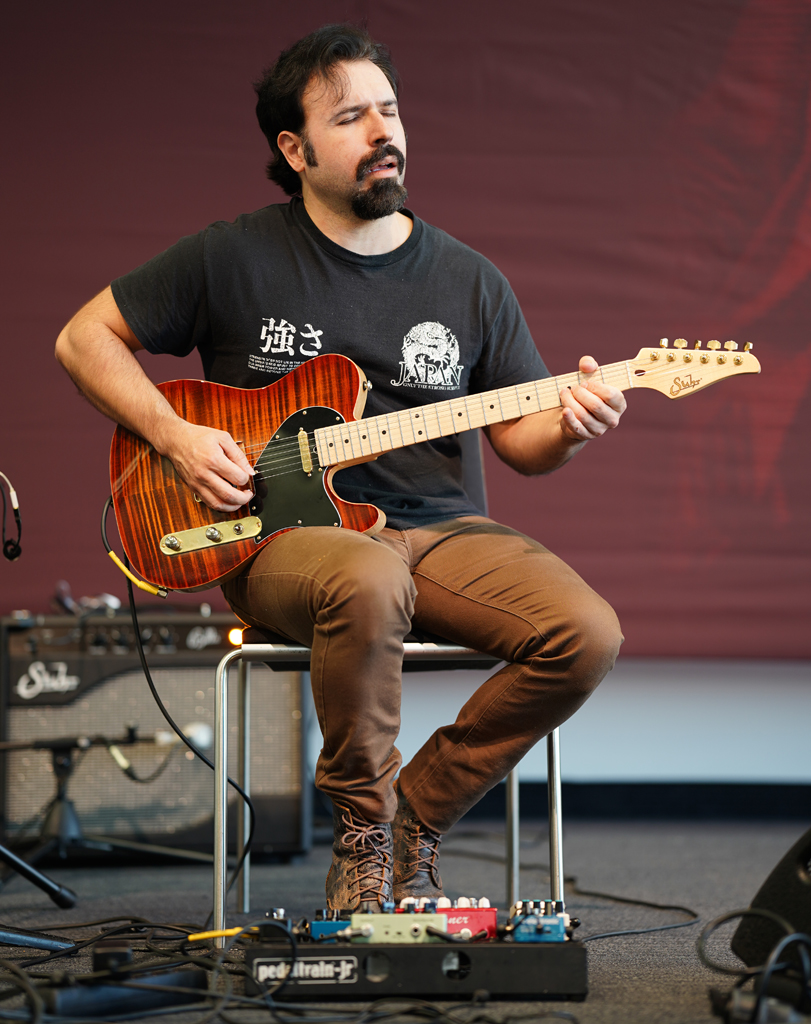
Andre Nieri is one of the most technically accomplished guitarists of his generation — and he was advocating reduction: five notes of the pentatonic scale are enough for great music. What that sounds like was shown in “Brazilian Fusion” and the Muse-inspired “Amused.” He switches between pick and fingers, explicitly not hybrid picking: he clamps the pick between his little finger and palm. How many have already been lost that way? Quite a few. He brings fingerpicking from classical guitar, which he started with in Brazil. He finds the left hand more difficult: with high gain, nothing must ring out unintentionally.
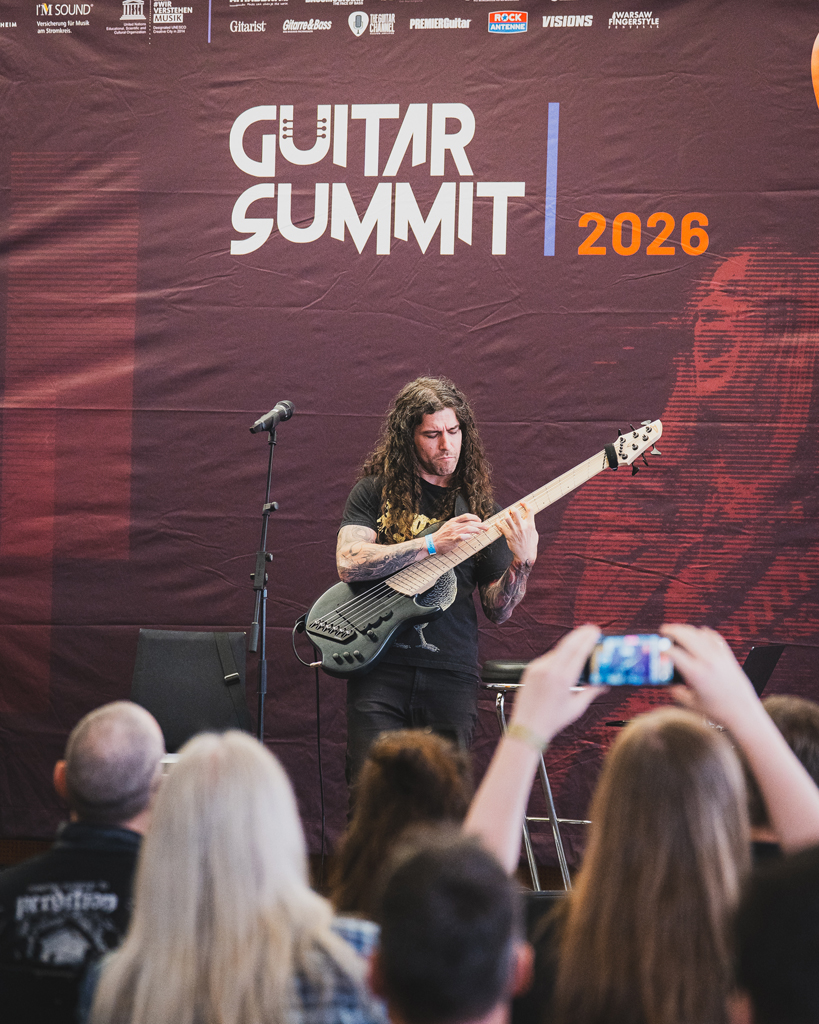
Anyone who knows Archspire knows: nothing about this Canadian tech-metal band is slow. Jared Smith keeps up on bass with the insane tempo — and in the workshop he gave an insight into how he handles these riffs and how, over the years, he found his own voice on the instrument. He brought backup with him: company founder Sheldon Dingwall, whose fan-fret basses have long been part of the sound of modern metal. Smith’s new signature model also brought news from Dingwall.
ROCK ANTENNE Stage: Talks & Interviews
Saturday on the ROCK ANTENNE Stage was also one highlight after another. It kicked off with Matteo Mancuso in the Dogal Strings Talk, followed by Phil Demmel in the ROCK ANTENNE interview and Andy McKee in the ANDERTONS Talk. Andre Nieri spoke with Kris & Guillaume from Thomann's Guitars & Basses before Danko Jones answered questions for ROCK ANTENNE.
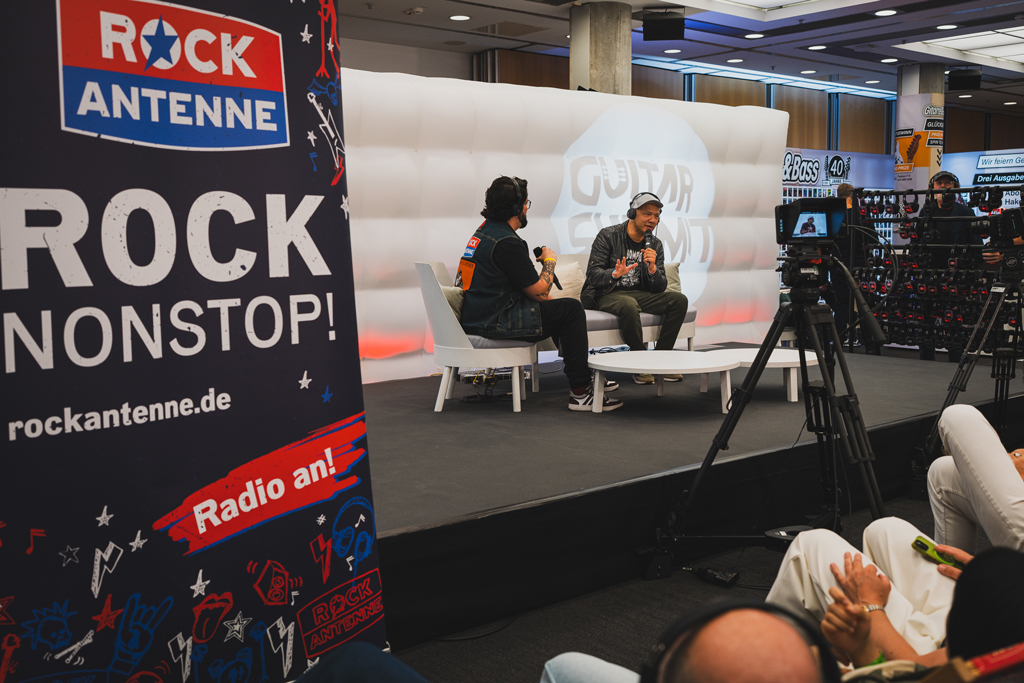
For decades, the Canadian has stood for loud riffs, short songs, and no detours — and the workshop was just as direct.
After the anniversary talk by Gitarre & Bass, Greg Koch and Eric Steckel met up: two blues guitarists, two generations, and plenty to talk about. At the end, Jack Gardiner and Rabea Massaad as well as Steve Di Giorgio were guests with Kris & Guillaume.
Saturday Night in Concert
Saturday evening in the Mozart Hall began quietly with two acoustic guitars — and ended with a full stage and amps turned up.
Don Ross & Julie Malia
On Friday, Don Ross had already stopped by Andy McKee’s place; on Saturday, the stage belonged to him — together with Julie Malia. As a two-time winner of the U.S. Fingerstyle Championship in Winfield, the Canadian has made genre history. With Malia on the second guitar, his playing becomes a dialogue.
In the afternoon, the two had explained how to arrange for two guitars. In the evening, you could hear what it sounds like when it all comes together perfectly: two voices that play around each other, complement each other, and never get in each other’s way.
Eric Steckel
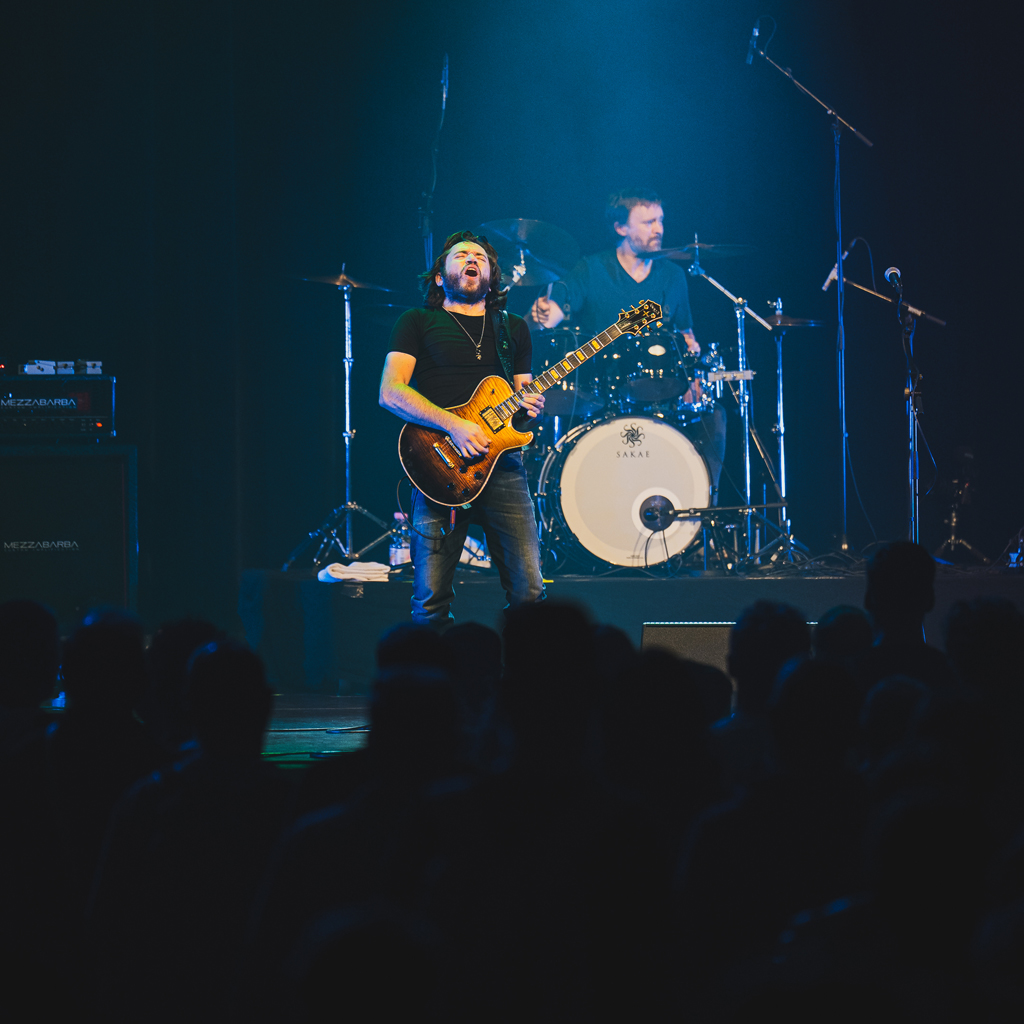
After that, Eric Steckel turned up the volume: blues rock with a rough tone, lots of energy, and solos that have no interest in restraint.
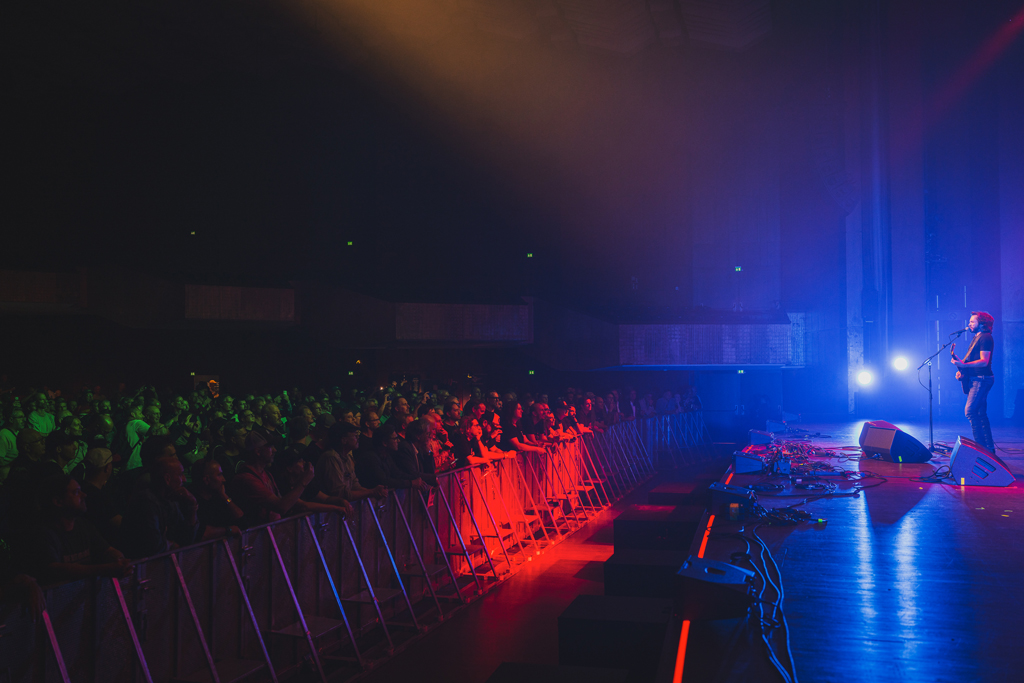
Anyone who had seen him in the workshop in the afternoon now got the full package — the same signature style, just without pauses for explanation.
Matteo Mancuso
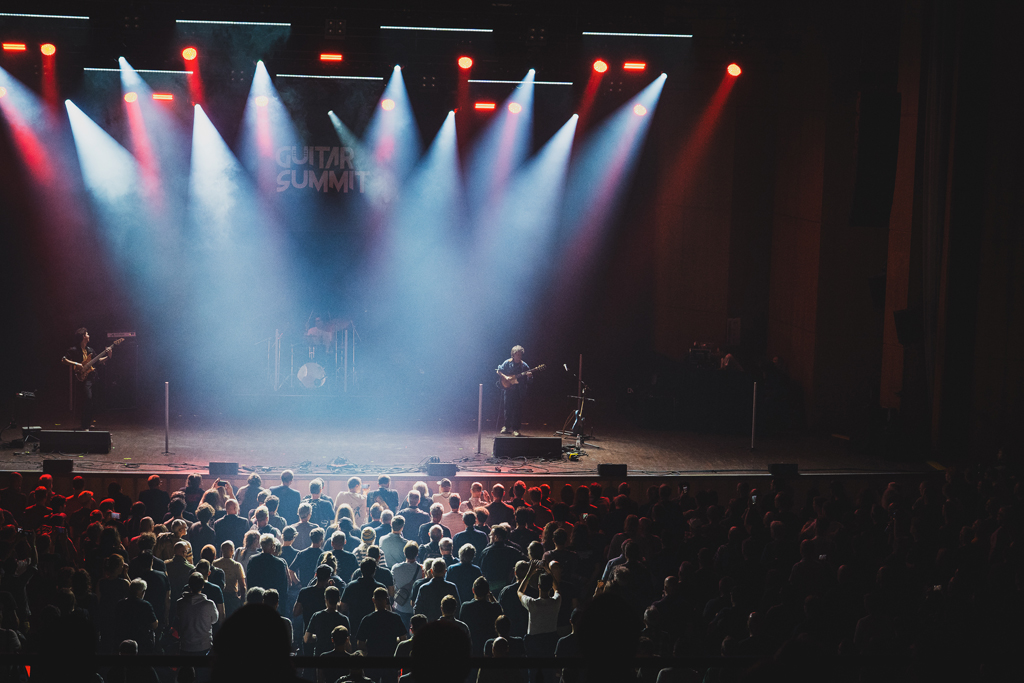
Then came the name many had been waiting for all day. Matteo Mancuso plays electric guitar with the fingers of his right hand like a classical guitarist and draws lines from it that are hard to believe even on video.
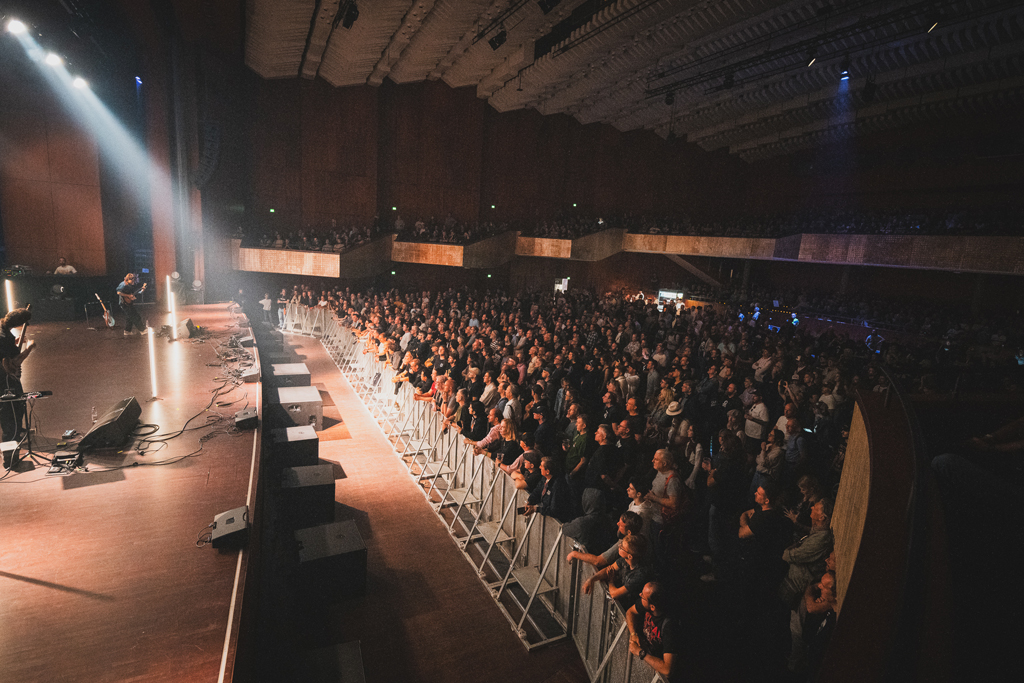
Live in the Mozart Hall, amazement turns into goosebumps: jazz harmony, rock energy, and an ease that makes you forget how difficult it all actually is.
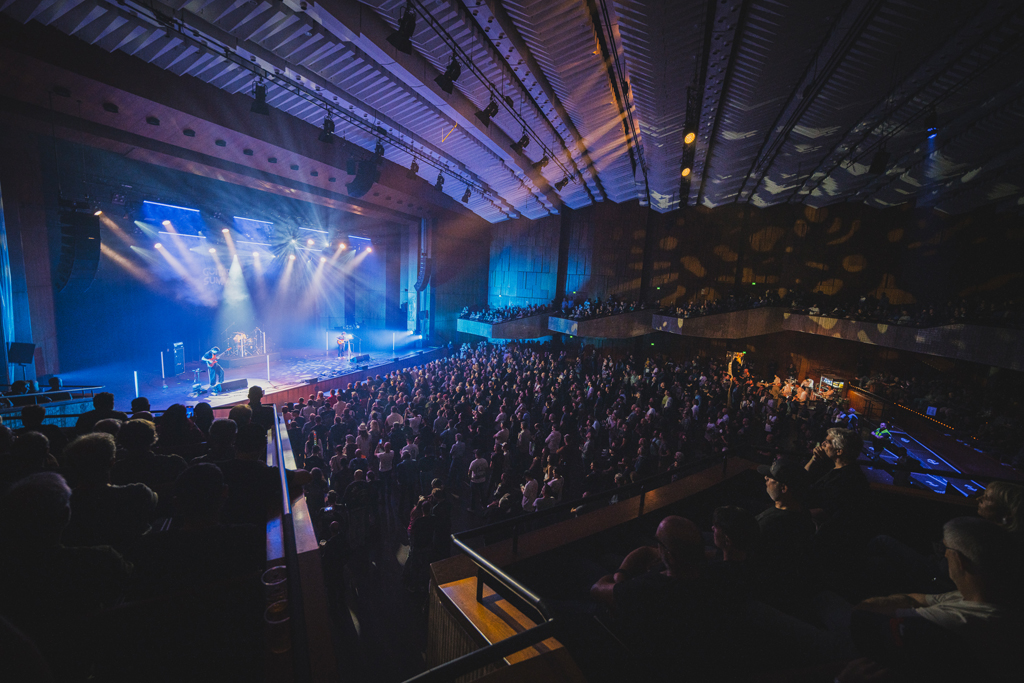
All Star Jam
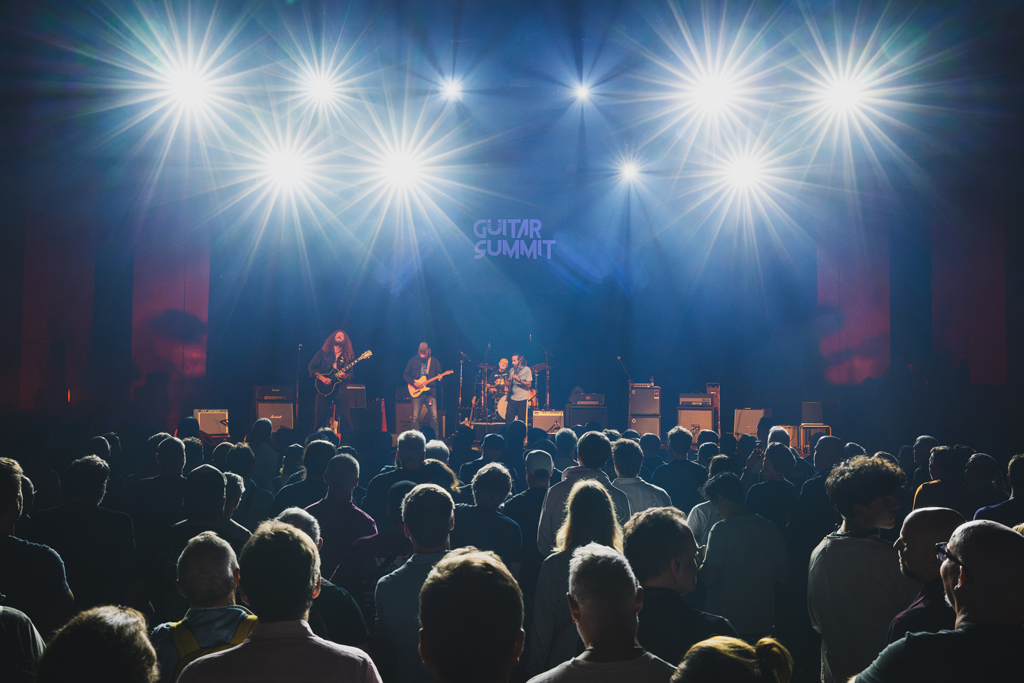
For the finale there was no set-in-stone show, but a setlist full of classics and a stage that kept filling up with new players. Hosts were Jared James Nichols, Marco Mendoza and Ronnie Romero. With ‘Mississippi Queen’, Stevie Wonder’s ‘Higher Ground’ and ‘Hey Baby’, the core lineup laid down a foundation on which the guests could let loose.
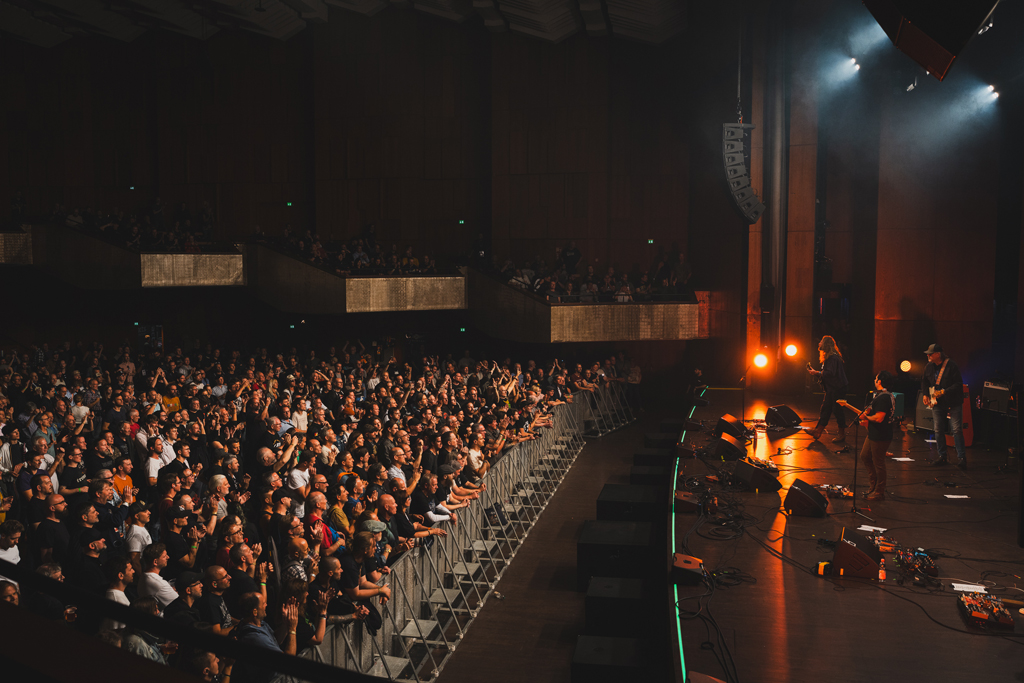
Martin Miller kicked things off with ‘Message in a Bottle’ and ‘Travels’. Then it got metallic: Ronnie Romero brought in Fredrik Åkesson, and together the two paid tribute to Ronnie James Dio with ‘The Last in Line’ and ‘Stand Up and Shout’. On ‘Superstition’, Jack Gardiner and That Pedal Show host Mick Taylor stood side by side before Gardiner celebrated Hendrix’s ‘Little Wing’ with Marcus Deml. Deml stayed on for Jeff Beck’s ‘Cause We've Ended as Lovers’ — one of the quietest and at the same time most intense moments of the evening.
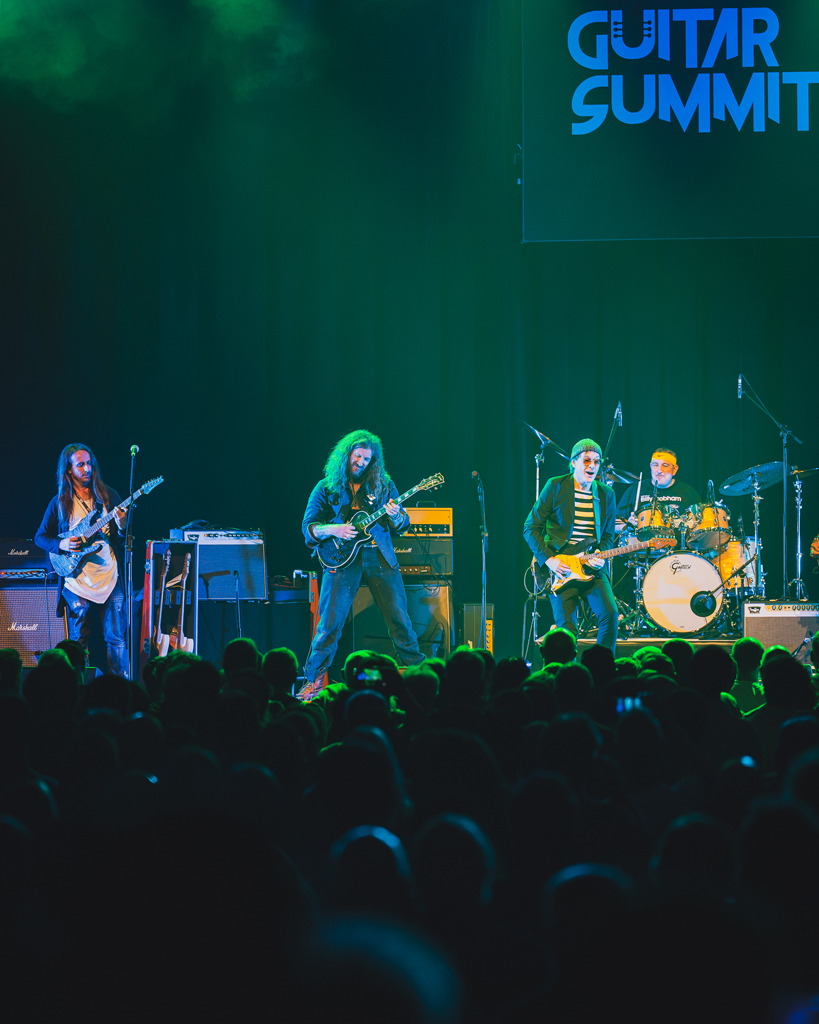
For the final stretch, Luke Cyrus Goetze, together with Greg Koch, got ‘Standin' on Shaky Ground’ grooving before Koch took command on his own with ‘Steppin' Out’. And then the only thing left on the list was: Final Jam, “whoever wants in.” With ‘Voodoo Child’, the stage finally became too small.
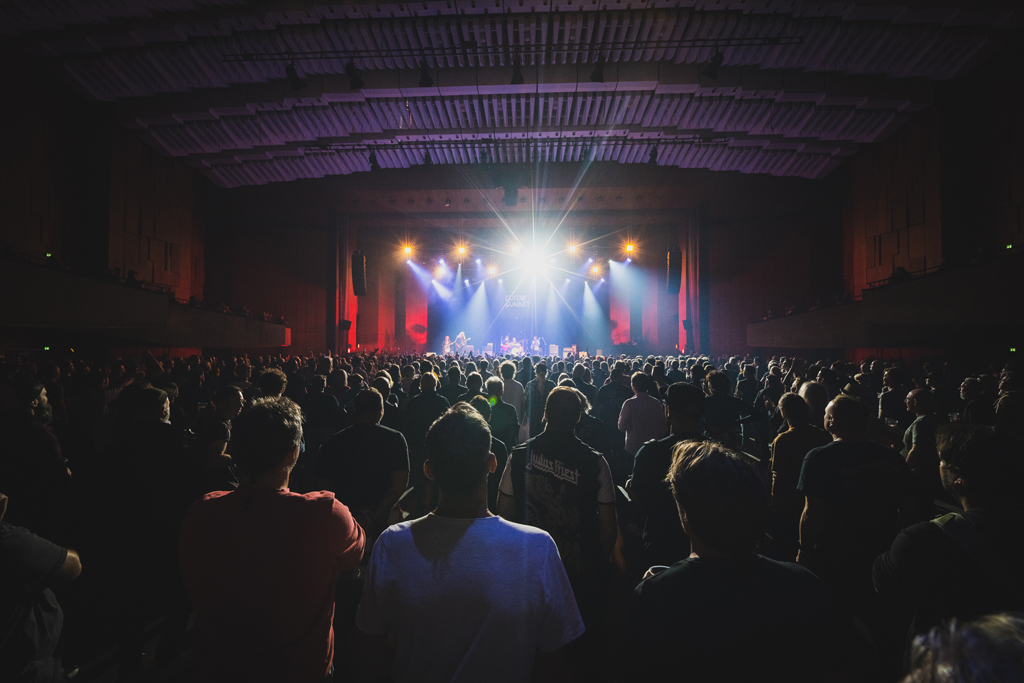
Two hours in which nobody knew what would happen next — and that is exactly why this evening stays with you.
And the Summit is not over yet: on Sunday, among others, Devin Townsend, Rolling Stones bassist Darryl Jones, and the Tube Talk about the future of the tube are waiting.
See you in the Rosengarten!
27Sunday, 27 SeptemberNewDay 3 with 21 photos
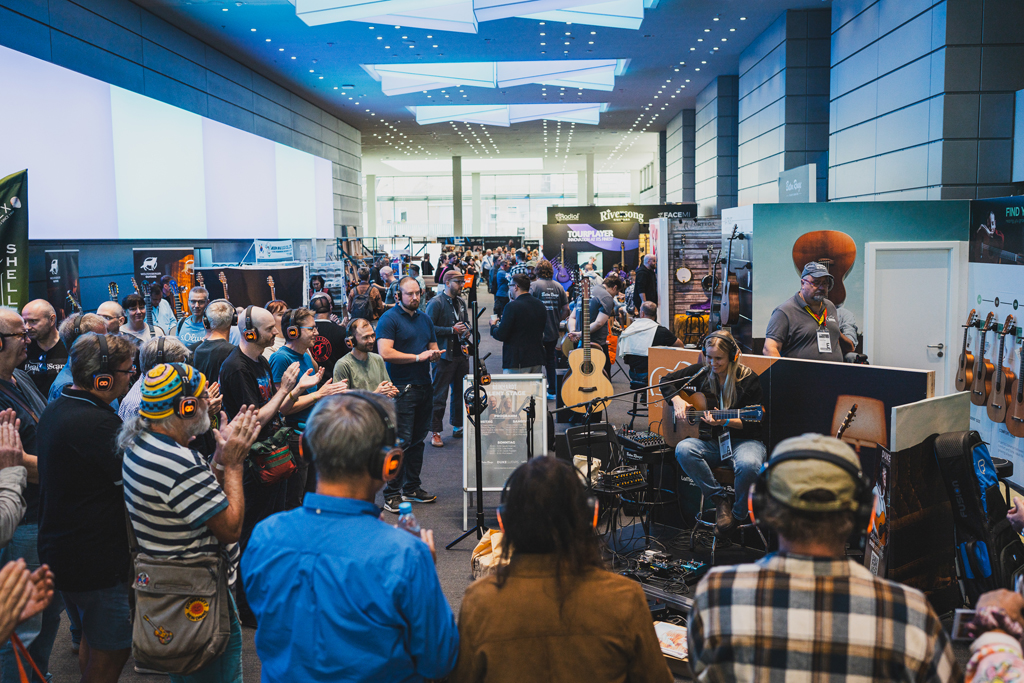
What a weekend! For three days, the Rosengarten was home to everyone who lives and breathes guitar and bass. 659 brands to get hands on, seven stages full of workshops, concerts you won’t forget anytime soon — and everywhere people talking shop, trying things out, marveling, and laughing.
From the opening of the doors on Friday morning, through countless hours at the booths and in the workshops, the 40-year anniversary celebration of Gitarre & Bass, and two concert evenings in the Mozart Hall, to the last workshop on Sunday afternoon: this Summit had so many highlights that it’s hard to single out just one.
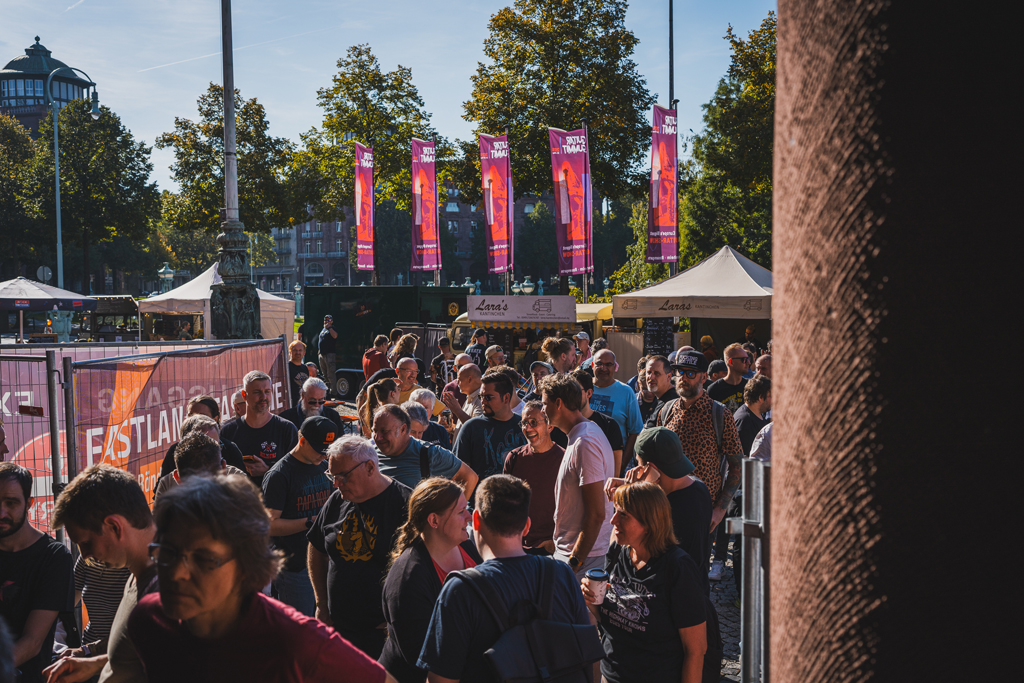
The biggest thanks go to you, the visitors. You came from everywhere, filled the aisles, stormed the workshops, and gave every concert your energy. 35 percent of you were there for the first time — great to have you with us, and welcome to the family! Without you, the Summit would just be a collection of booths; with you, it’s a big family reunion.
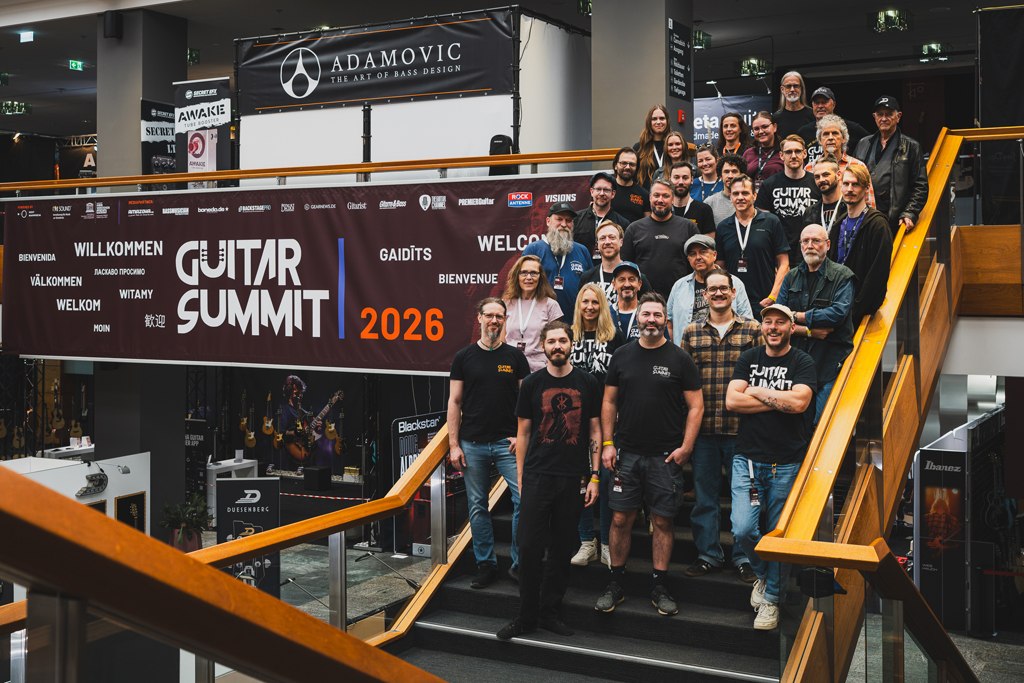
Thanks also to all exhibitors, artists, lecturers, and partners, and to the entire team in front of and behind the scenes who made these three days possible.

And if you’re already feeling withdrawal symptoms: GUITAR SUMMIT 2027 will take place from 24 to 26 September 2027. Early-bird tickets for all three days are available now — book early and pay less!
Sunday: final round, full aisles
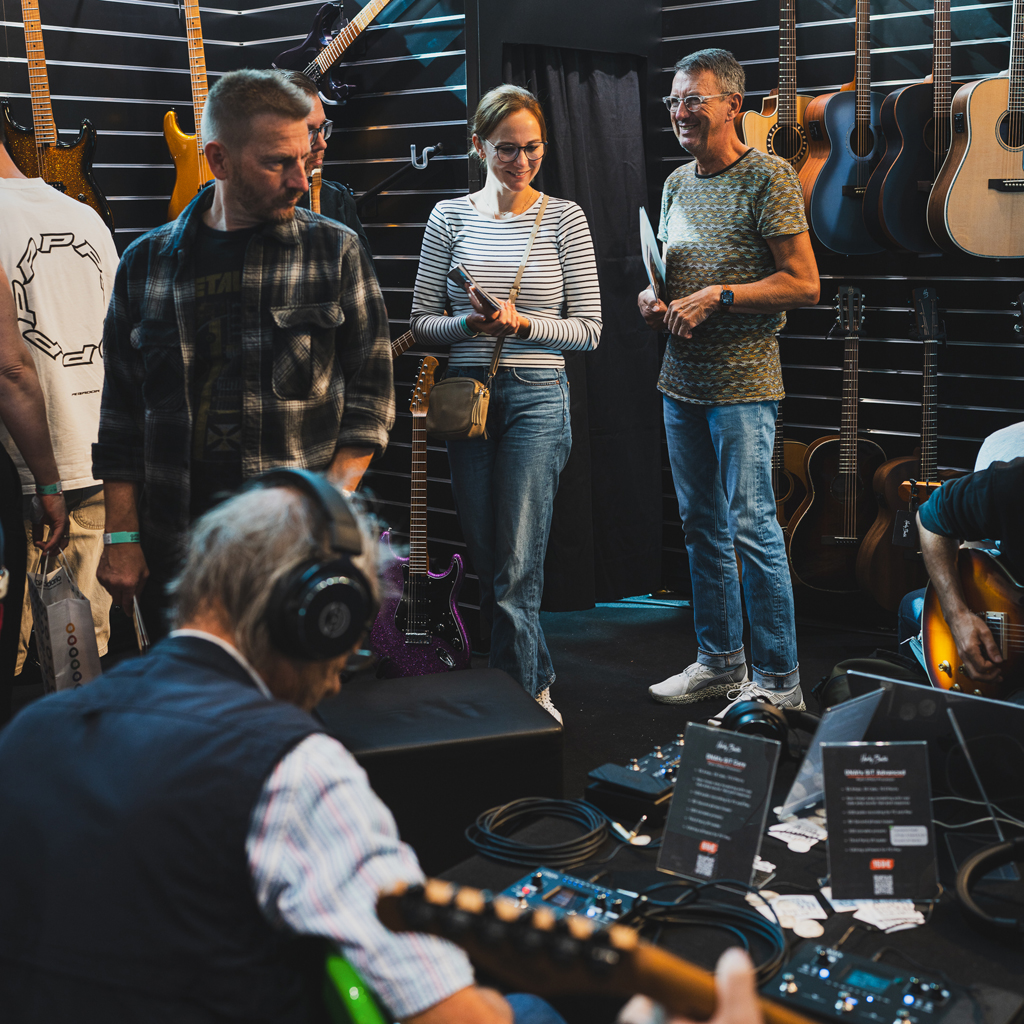
Anyone who thinks things get quieter on the third day doesn’t know the Summit. Even on Sunday, the aisles were full, and people kept trying out gear at the booths until the very end.
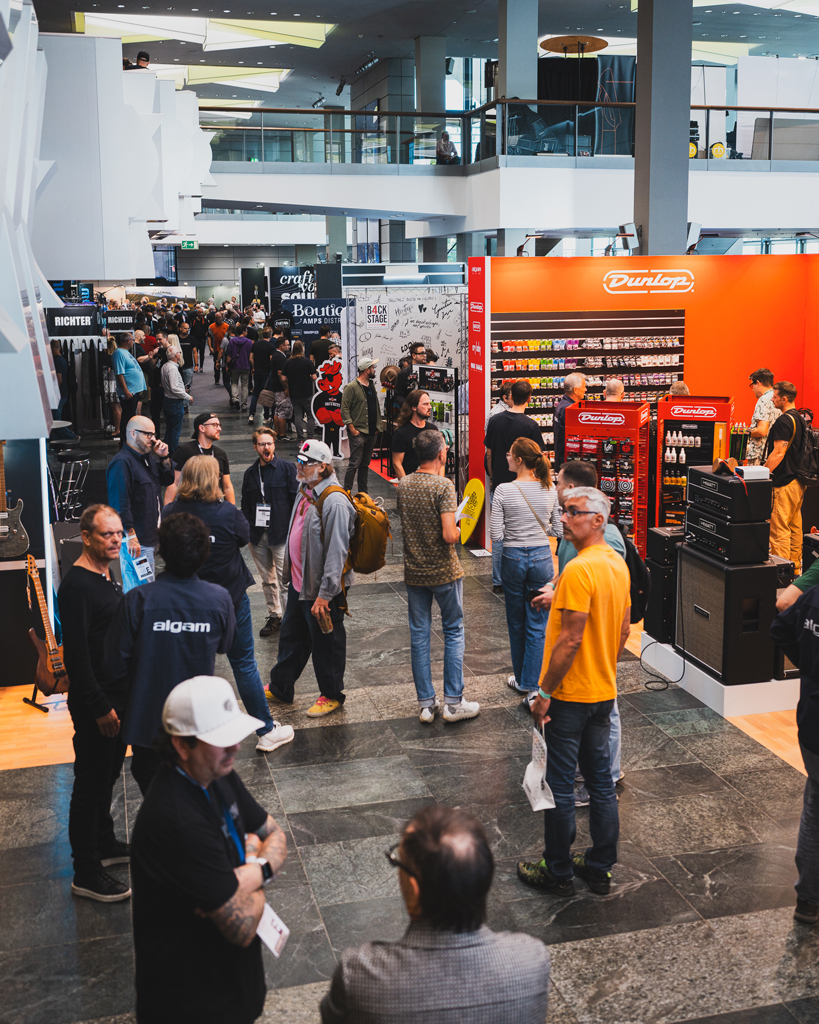
For many, Sunday is the day of decision. You go back to the booth where you got stuck on Friday or Saturday. Take the guitar down from the wall once more. Play the riff through again.
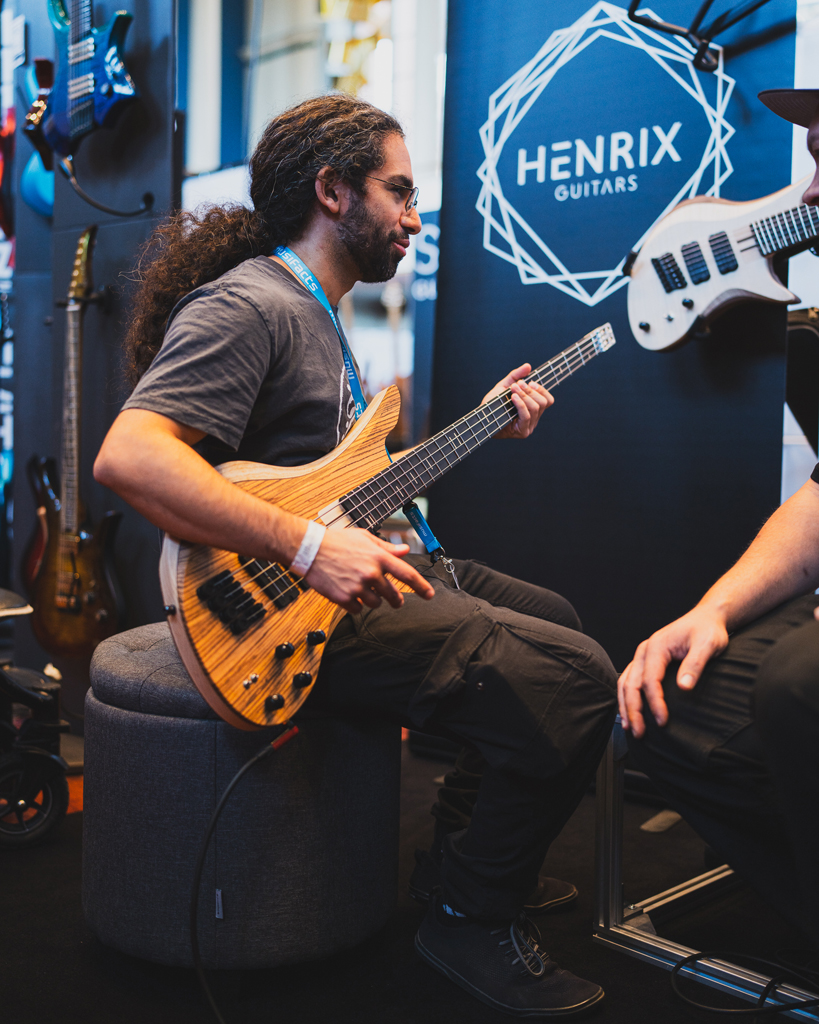
Others used the last few hours to get tips directly from the pros — or simply to wander through all the levels one more time before the doors closed for this year.
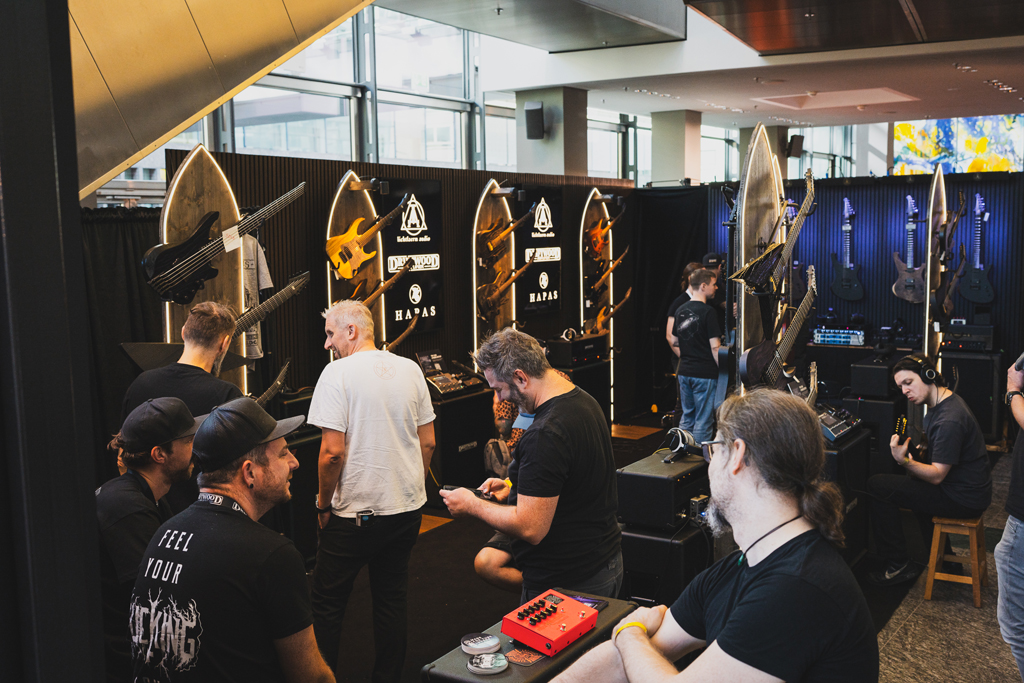
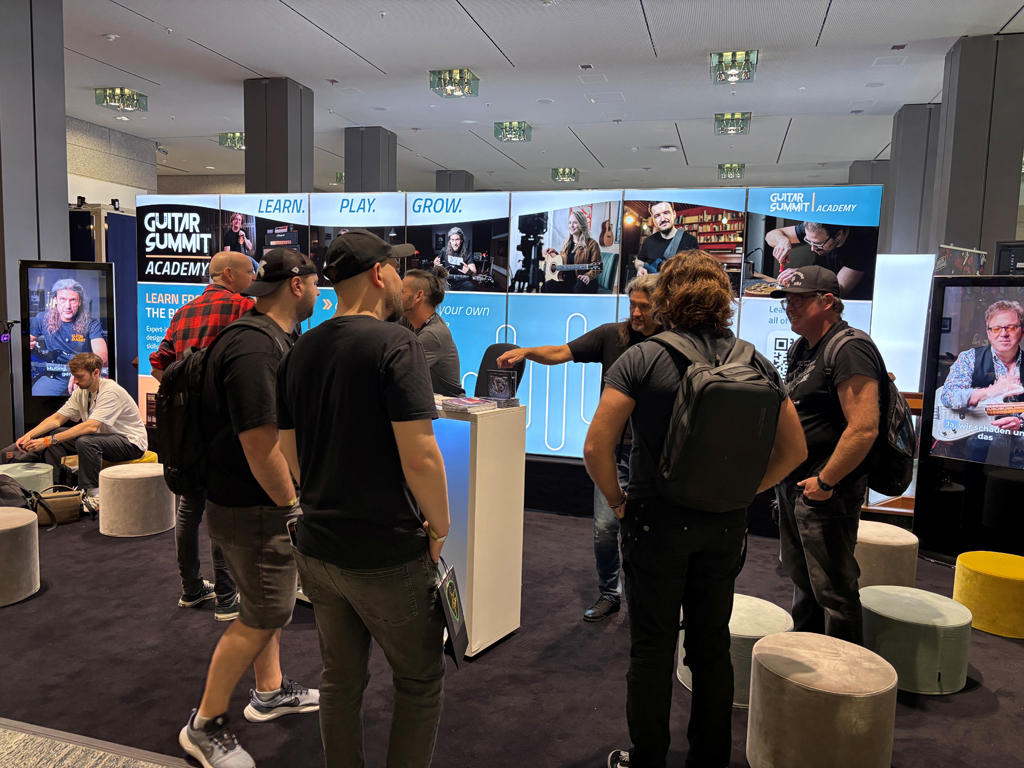
For the first time this year, the Guitar Summit Academy had its own booth — and it became a popular meeting point. At the Meet & Greet, visitors could get to know their instructors in person, ask questions, and pick up tips.
Two new masterclasses were part of the package: In “Phrasing, Feel & Sound”, Martin Miller focuses on the subtleties that make great tone possible in the first place: bending, vibrato, articulation, and muting.
Victor Smolski puts the rhythm guitar center stage in “Metal Riffing Mastery” — powerful riffs as the foundation of metal instead of solo shredding.
Miller’s course is already out, and Smolski’s masterclass follows in October and can already be pre-ordered.
All courses are available at academy.guitarsummit.com
Best of Interviews
There were also insights away from the stages: our social media team filmed artists all weekend long. In short interviews, they talked about their music, their favorite gear, and very personal Summit moments.
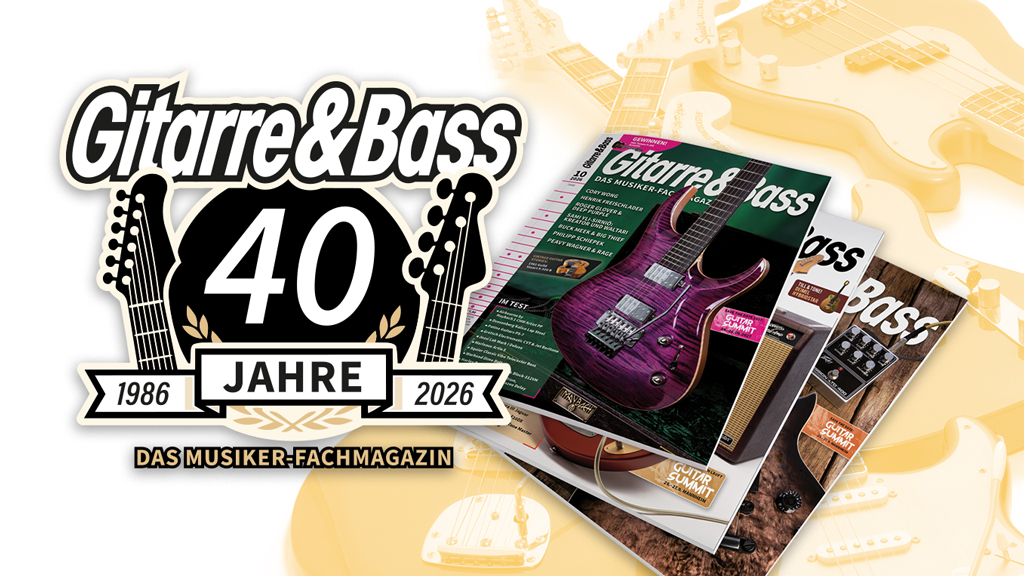
A birthday isn’t complete without gifts. To celebrate the 40th anniversary of Gitarre & Bass, all Summit visitors receive three issues as free digital editions — no subscription and no automatic renewal! Just dive in and find out why the magazine has been around for four decades.
Here’s how to get your free digital issues:
Workshops & Masterclasses
Sunday was shorter than the two days before, but no less packed: the program ran on all stages until late afternoon.
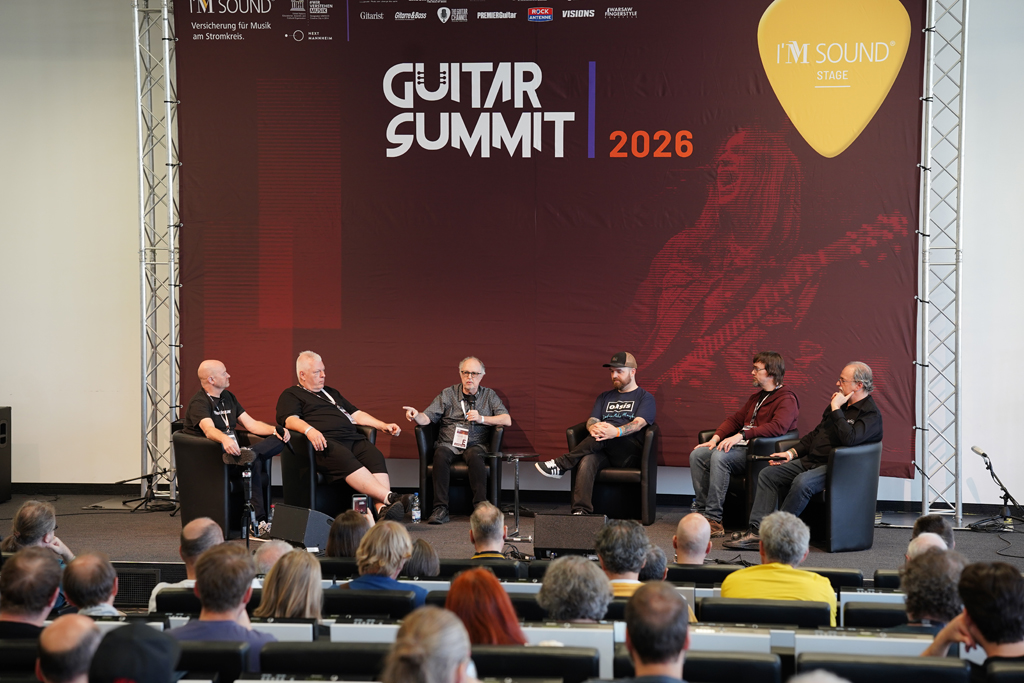
Will there still be vacuum tubes after 2030? That was the question with which Tube Amp Doctor, Blackstar, Friedman, Fryette, and Marshall opened Sunday. First audience poll: who plays a tube amp? Everyone except one. “The audience is a bit biased,” came the dry reply from the stage. Even the definition of “analog” is no longer that simple today; many manufacturers are looking for ways to sensibly combine both worlds. Still, the panel agreed: “Playing through a real tube amp just feels better.” Dave Friedman quoted Phil X: “The modeler lacks the danger.” If you have fewer tools, you simply have to work harder for your result.
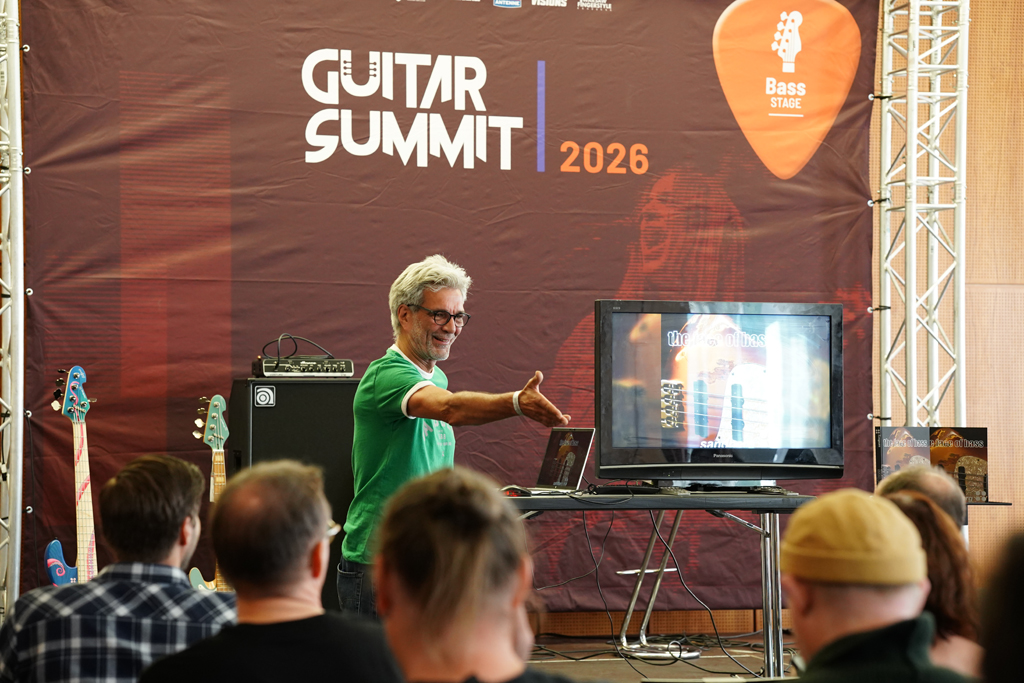
Four decades of bass building from Braunschweig: for the anniversary, Sandberg founder Holger Stonjek told how it all began. His first instrument was so neck-heavy that he tied a bottle of beer to the body. When that was empty, he simply needed a new, better-balanced body. He recorded many such anecdotes in his book “The Face of Bass.” Later, he built mainly for the Wolfsburg metal scene; the name came from the first address, “Am Sandberg.” For the logo with the four dots, the designer first had to convince the boss — today they also appear on the body, which is often the only thing visible in the press and on TV.
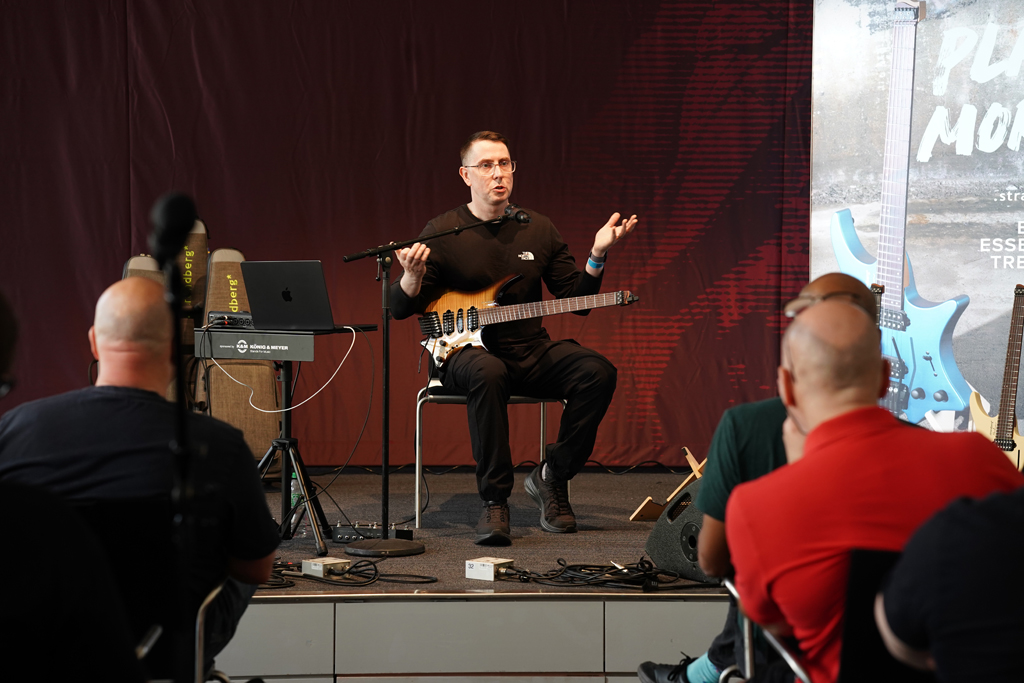
For around a year now, Thomas McRocklin has been playing .strandberg* — and has even helped develop it: he was involved in the Arc-Tilt Tremolo System. The result clearly delights him, because at last he can bend whole chords without them sounding out of tune. Musically, he likes to think like a singer anyway: in his songs, the guitar often takes on melodic lines that are more reminiscent of vocals. And his tip for dry trade-fair hands? Just borrow his wife’s moisturizer.
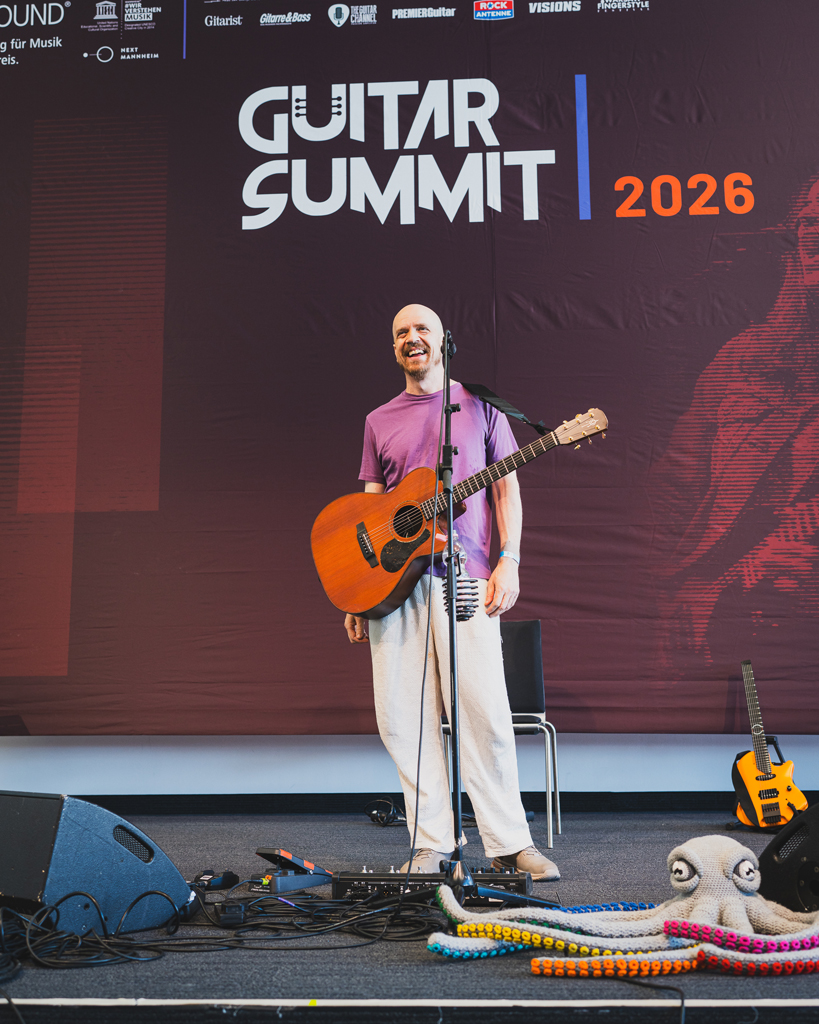
With Devin Townsend, one of the weekend’s most eagerly awaited names took the stage at the I’m Sound Stage. Through Strapping Young Lad, his solo albums, and countless projects, the Canadian has shaped a sound that is instantly recognizable: dense, huge, and yet full of detail. In “Devin Townsend’s Wall of Sound,” he offered a behind-the-scenes look at how that wall of sound is created.
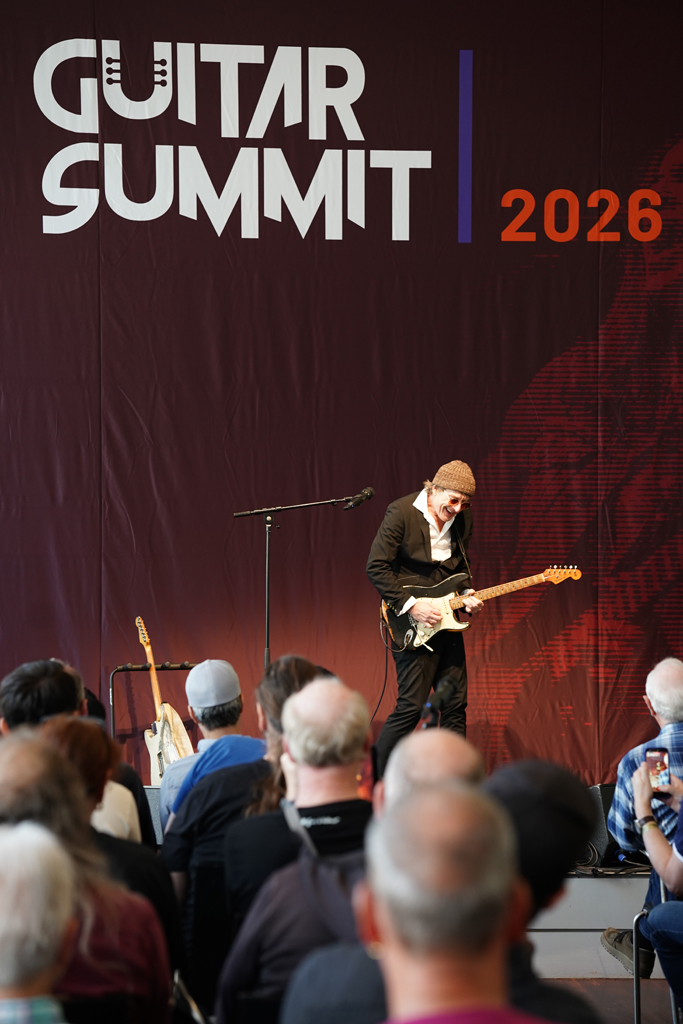
Errorhead, session work, own productions: Marcus Deml is one of the most versatile guitarists in the country – and still keeps his setup astonishingly simple. “The drive comes from the pedal, the Marshall is at bedroom volume. Just like you have it at home. Next to the fireplace.” New is his Pure set from Kloppmann, for which he wanted a “sixth or seventh gear.” The result sounds “like Brian May on steroids.” His stories about the songs and a Kinski imitation got plenty of laughs; to finish, there was the “slowest fucking blues ever.”
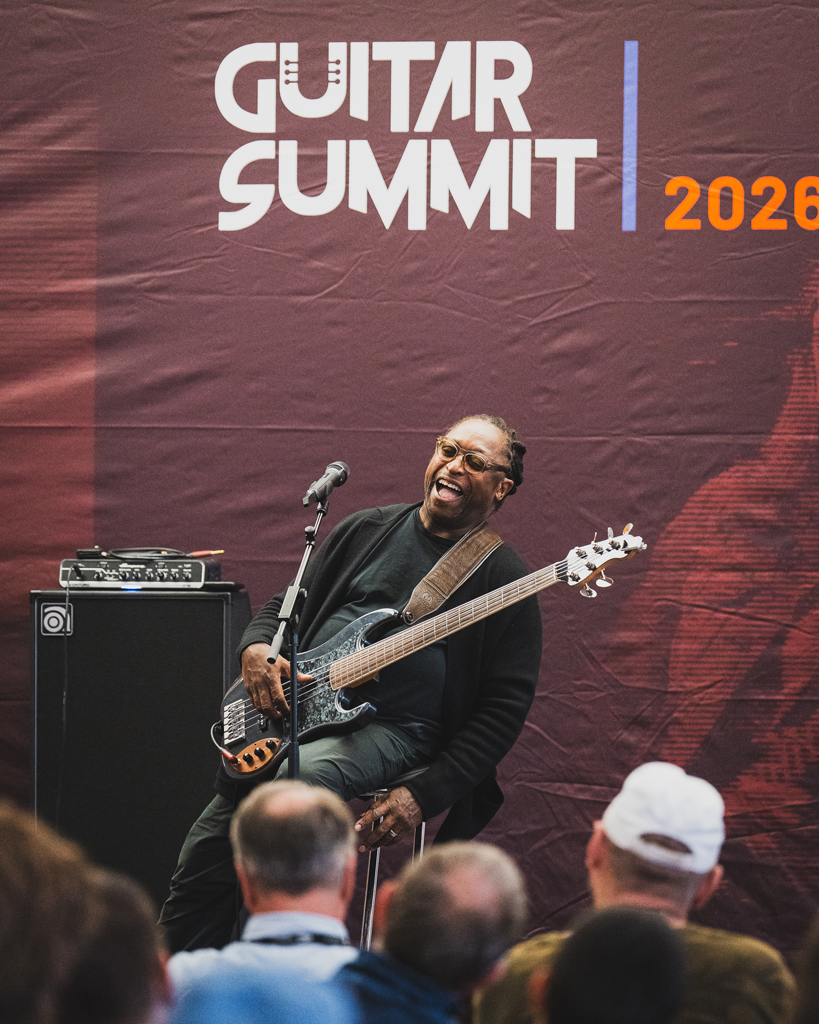
Many bassists had been waiting for this workshop – and the crowd was correspondingly huge. Darryl Jones has played with Miles Davis and Sting and has been the Rolling Stones’ bassist for over three decades. Anyone who watched him on the Bass Stage experienced how much groove, composure and experience are packed into every single note.
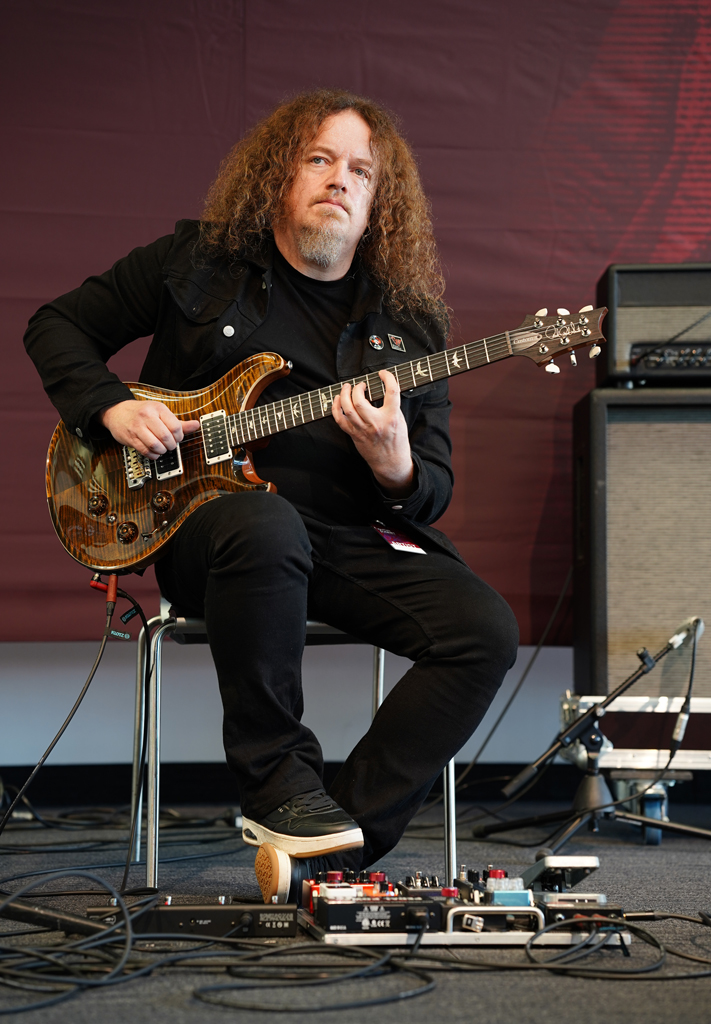
After the All Star Jam, Fredrik Åkesson was back on Sunday – and happy to answer every question. Most of them were about gear: the gain comes from an MXR Eddie Van Halen pedal, followed by a fairly cleanly set JCM800 module from Synergy. Add to that a PRS with Floyd Rose, often with a 24.5-inch scale length. For pickups, he sometimes uses PRS, sometimes the Duncan combo of JB and '59. He runs the piezo signal through a TC Electronic Plethora and likes to blend it with the electric sound. Every song has its own effect settings – he sometimes wonders himself how he remembers it all. The Opeth guitarist learned almost everything on his own; only at 22 did he spend a year at music school.
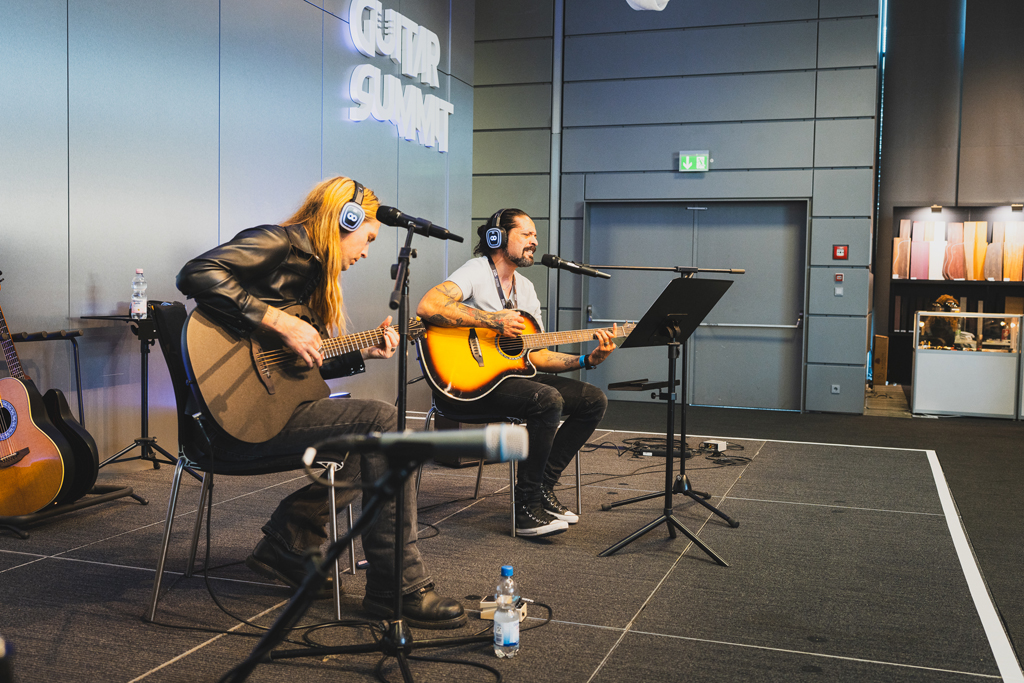
On Saturday evening, Ronnie Romero had belted Dio classics into the mic at the All Star Jam; on Sunday he showed the quiet side with Ragnar Zolberg. With Ovation guitars on the Acoustic Stage, the two musicians, usually known for being much louder, presented a duo set full of voice and feeling.
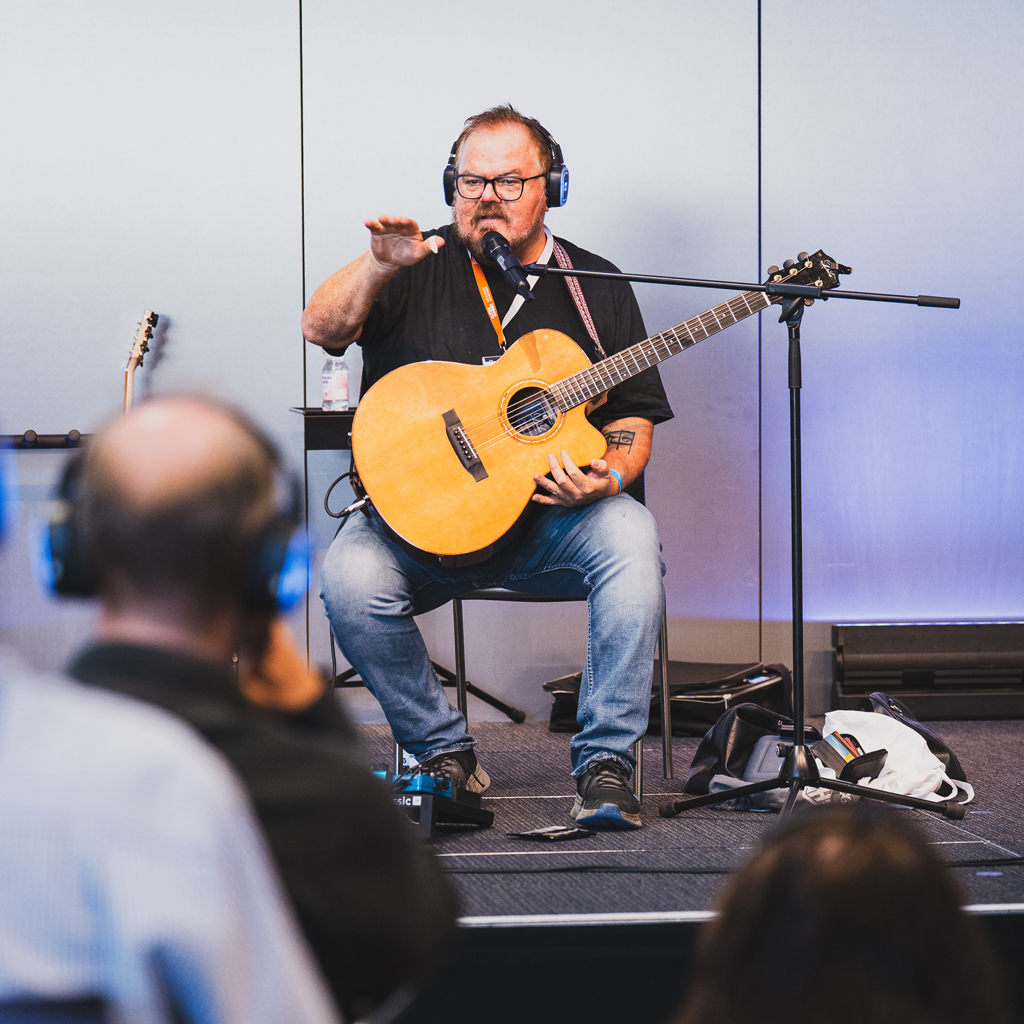
One of the final program items of the weekend was Don Ross with “Playing Fingerstyle Guitar with Groove.” A topic that hardly anyone could represent more credibly.
ROCK ANTENNE Stage: Talks & Interviews
There was plenty of chatting on the ROCK ANTENNE Stage on the final day as well. Kicking things off was Matteo Mancuso in an interview, followed by Thomas Blug in the BluGuitar talk.
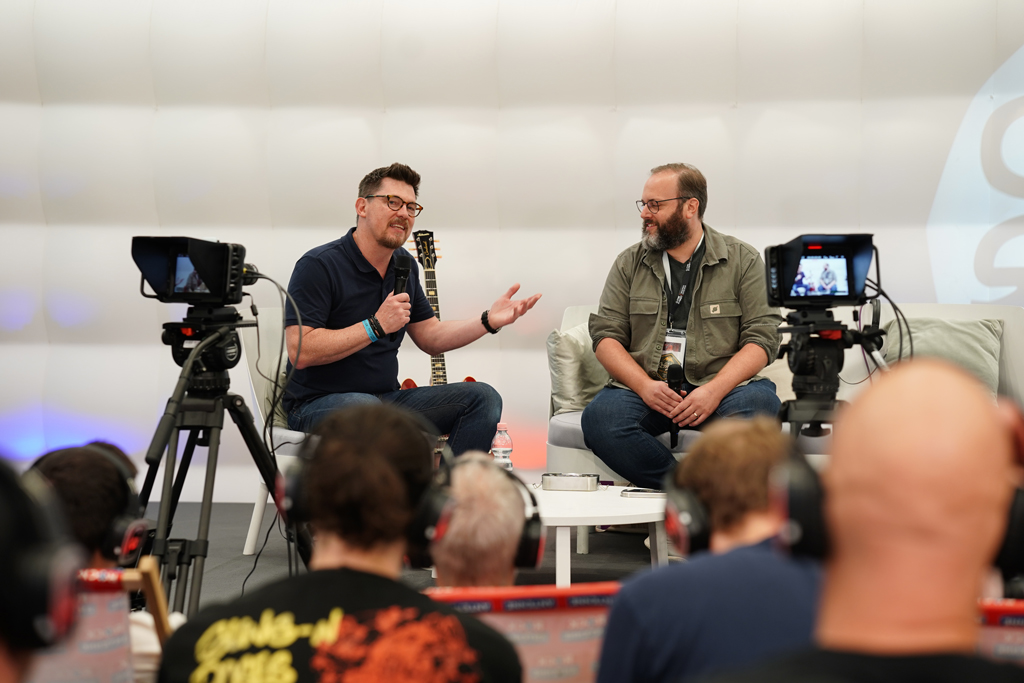
The day before, Mick Taylor from That Pedal Show had played a guitar by Gerhard Schwarz for the first time – verdict: “spectacular.” Schwarz has been tinkering with guitars since he was 16; his recipe: fail often, take them apart, if necessary with a bandsaw. For both of them, it was clear that wood shapes the sound. To find out what the hardware contributes, Schwarz bought at least ten bridges from the years 1957 to 1965, each of which can quickly cost around 3,000 euros. The anchors are even trickier: “You have to destroy vintage guitars and pull them out.” He then had the original parts metallurgically analyzed at universities.
Later, Ian Martin Allison spoke with BassTheWorld, Devin Townsend with ROCK ANTENNE, and Mary Spender in the Martin Guitars Talk. The closing slot was taken by Greg Koch in conversation with Kris & Guillaume.
See you next year!
Guitar Summit 2026 is history – the anticipation for 2027 starts now. We’ll see you again at the Rosengarten from 24 to 26 September 2027. Until then: change your strings, practice hard, and don’t leave your guitar in its case for too long!
You can already get your early-bird tickets for 2027 now: